
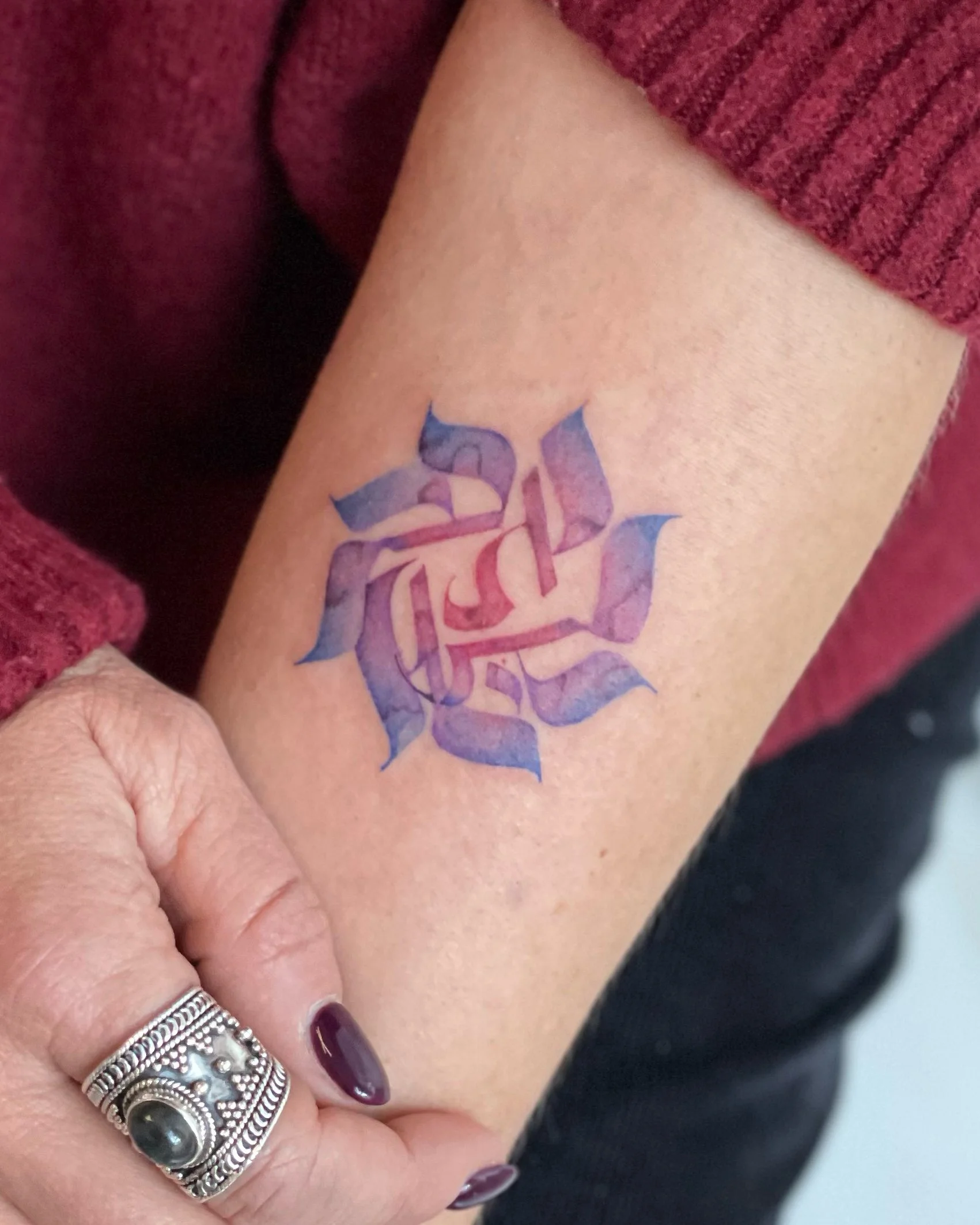
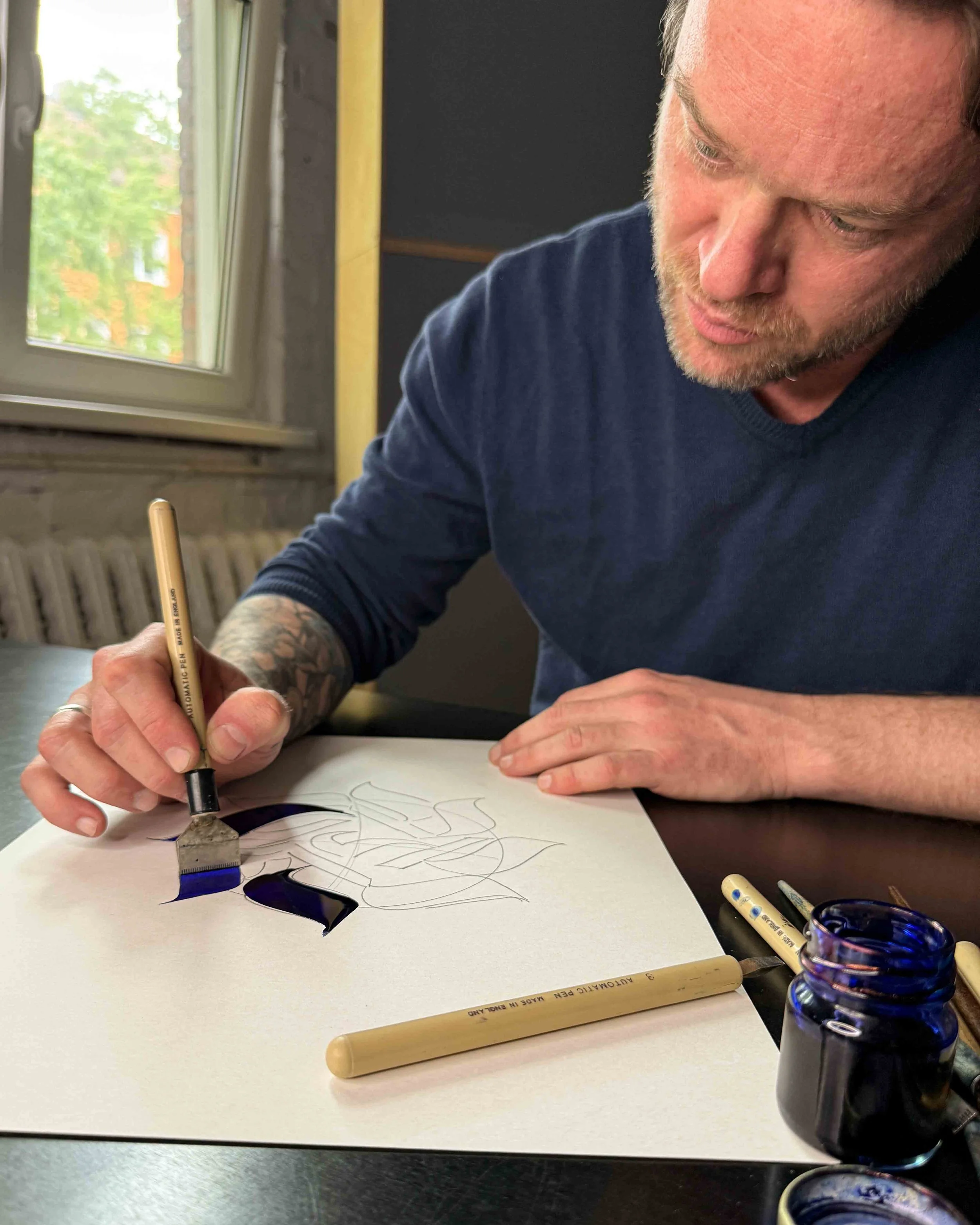
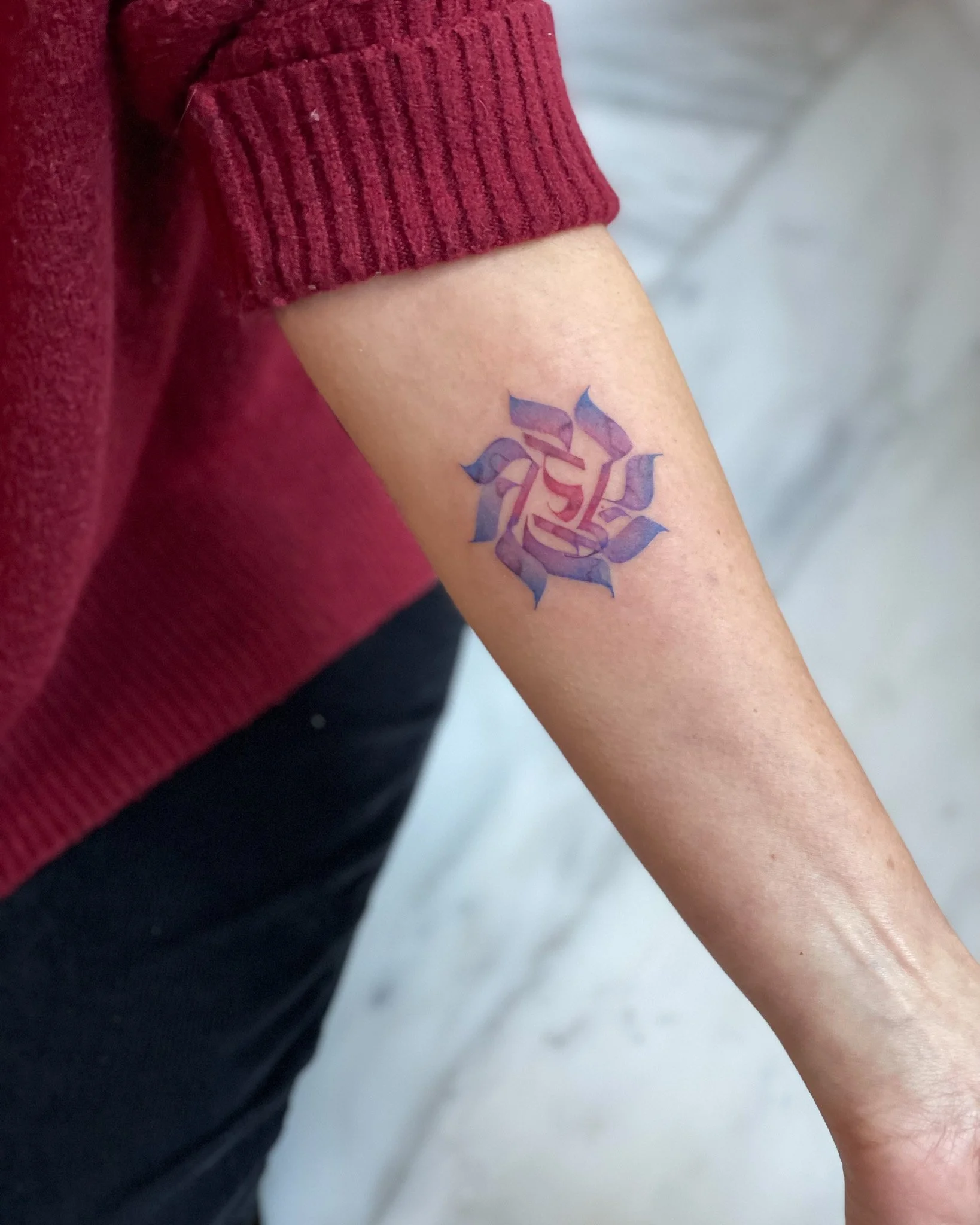
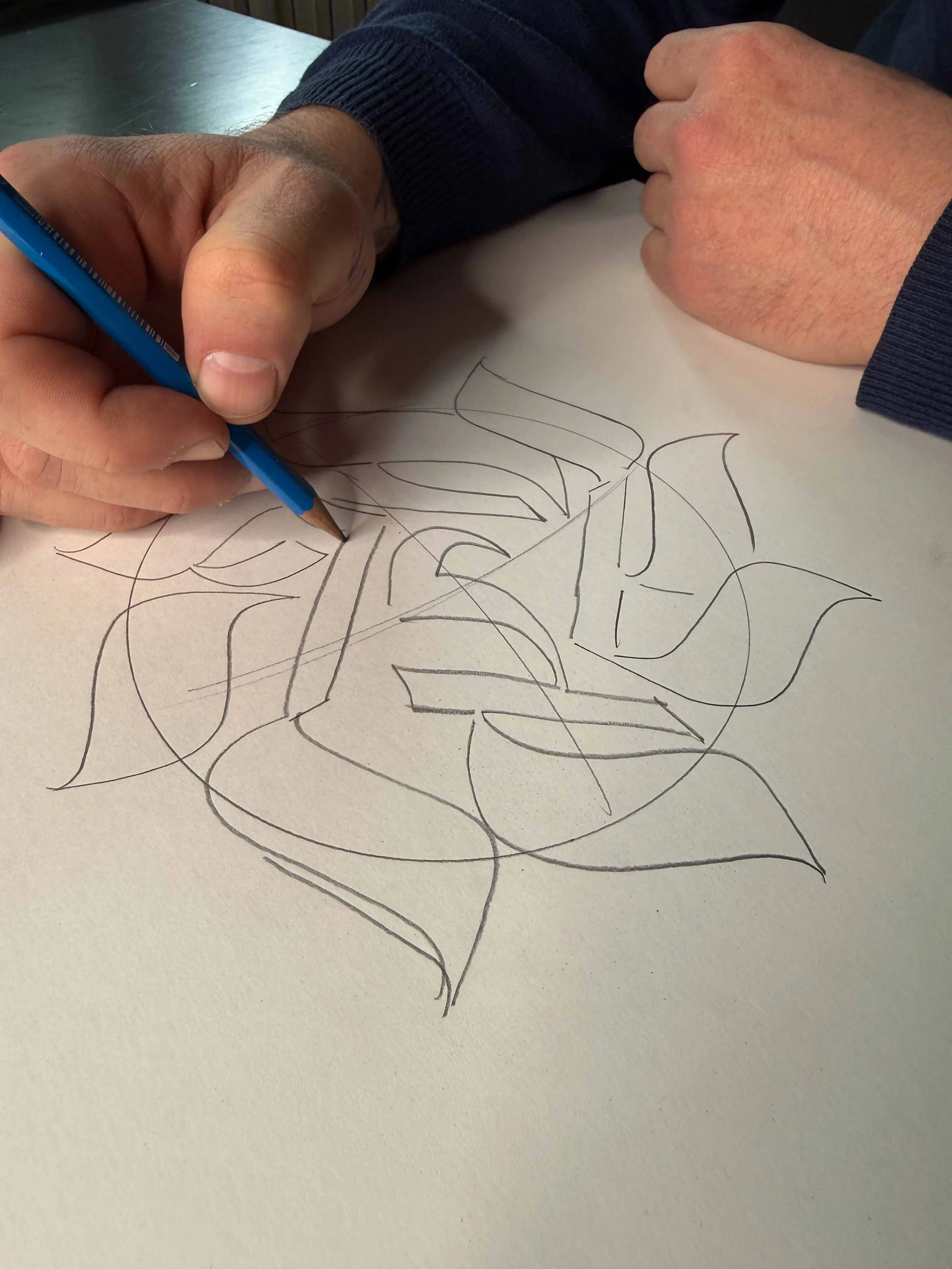
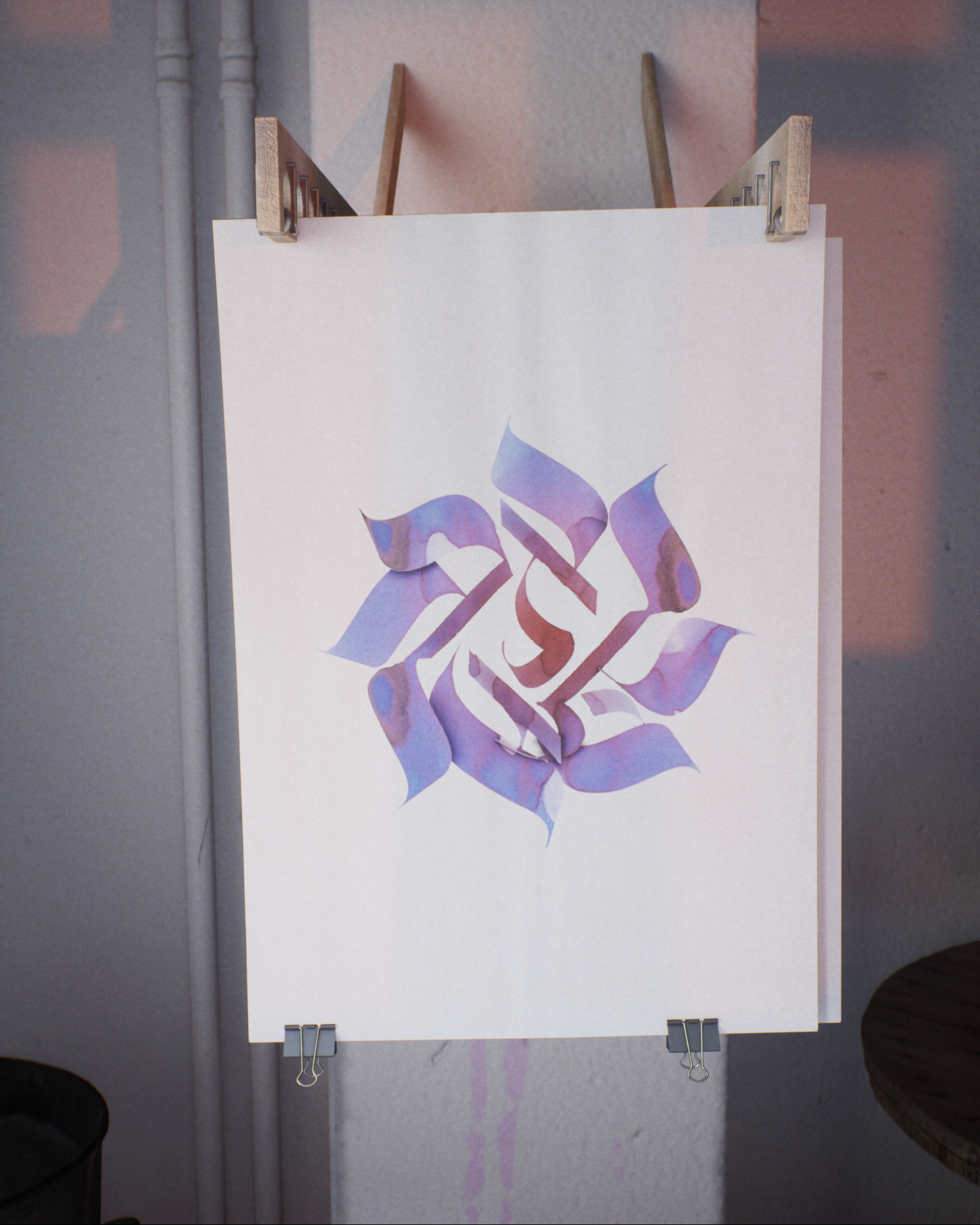
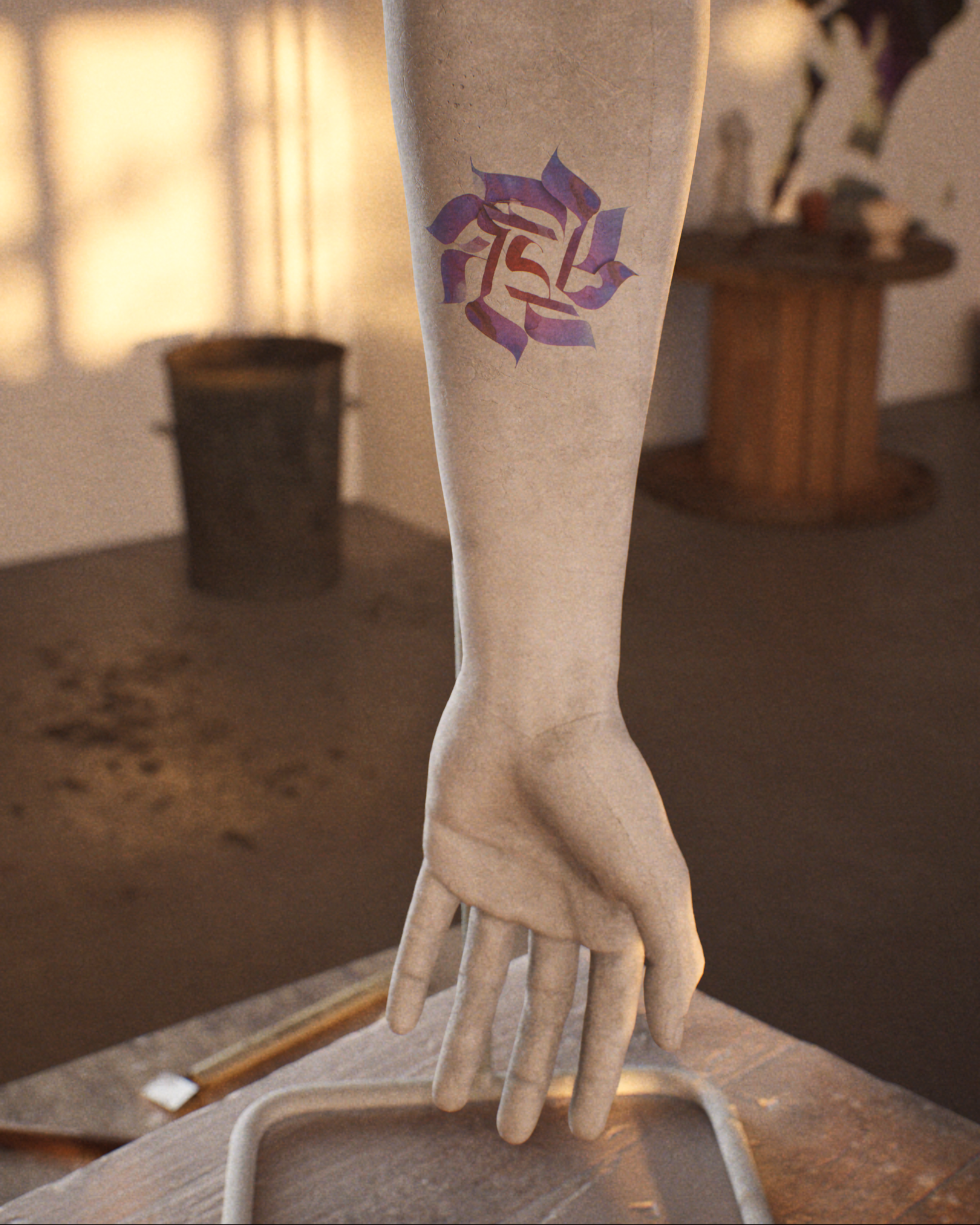
Abby from New Jersey came to us with a story that felt like a powerful expression of choosing life.
She is BRCA1 positive, a mutation that placed her at high risk for breast cancer. She only learned to get tested because her close friend Sheryl, who was dying of breast cancer in her early thirties, urged her to do it. Abby listened. Soon after Sheryl died, Abby found out she was positive.
Knowing what her friend had wanted for her, Abby chose a preventative double mastectomy. After years of complications, pain, and reconstruction surgeries, she eventually decided to remove the implants and live flat chested. A woman without breasts, in her words, and no less of a woman.
The text she first brought to us was אֵשֶׁת חַיִל, Eshet Chayil, Woman of Valor. What moved her about this phrase was precisely what it does not say. It does not define a woman through beauty or physical appearance. It speaks instead of strength, kindness, faith, care, and character.
In the process, we explored whether this was the right text. We considered other images of biblical womanhood, including Deborah as Eshet Lapidot, but Abby kept returning to Eshet Chayil. She was not looking for a warrior image. She was looking for peace after years of surviving. A way to reclaim womanhood without needing to frame herself through battle.
Gabriel saw another layer in her story: the passing of a torch. Sheryl began something by urging Abby to get tested. Abby carried it forward by choosing life and by raising awareness for others.
The piece became round, partly open and partly closed, with a warm center. A form that suggests the true self held and protected, even when the body changes.
For Abby, this tattoo became a way to honor Sheryl, her Jewishness, and her womanhood. A reminder that valor can live in survival, softness, care, and the decision to keep going.