
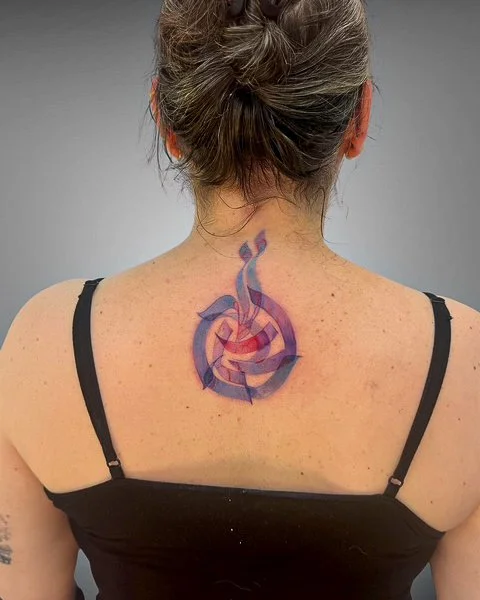
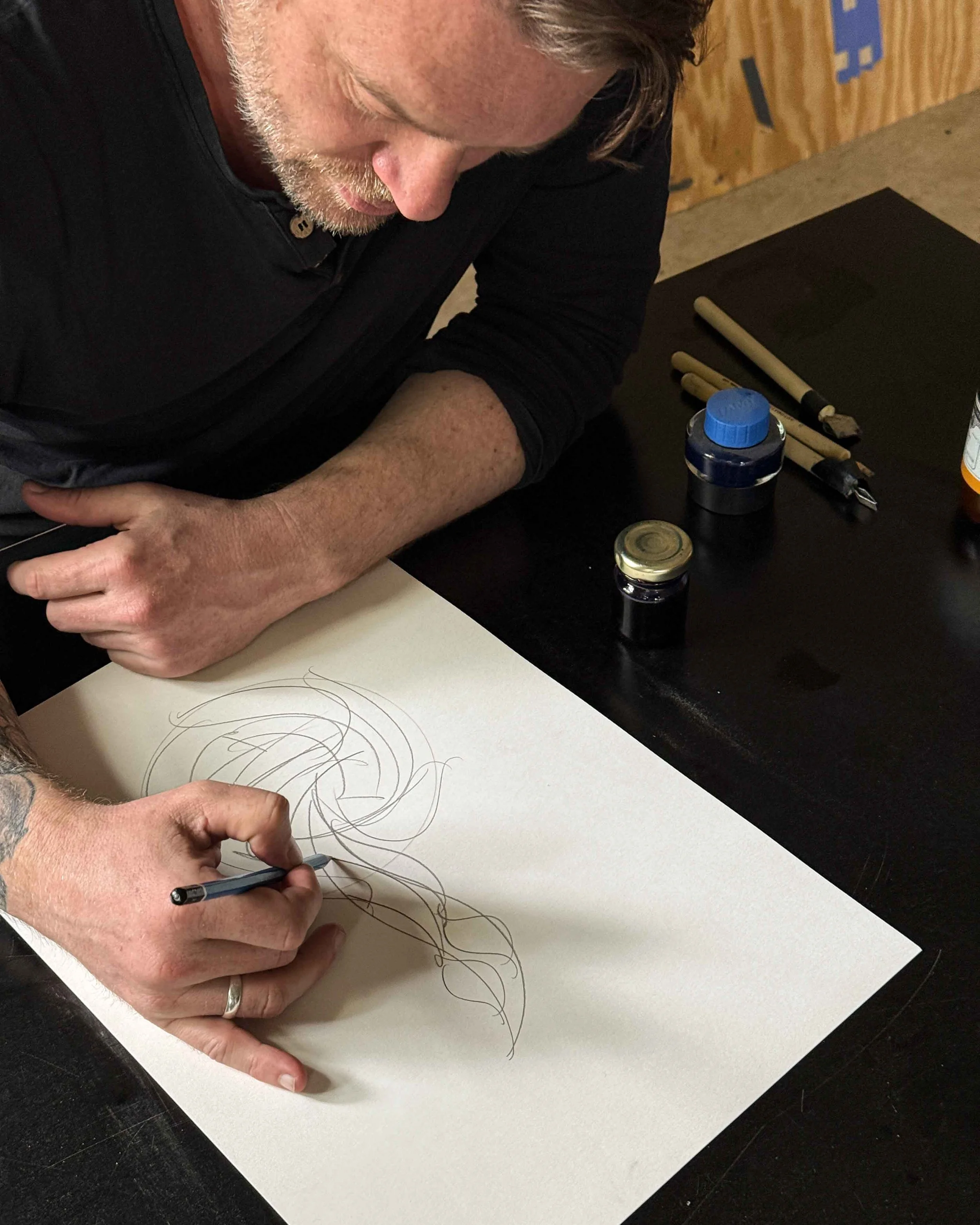
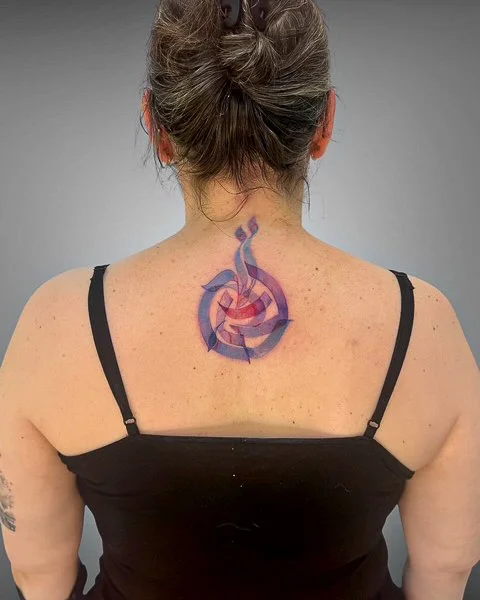
Annie from Houston came to us with the concept of שכינה, Shekhinah, already close to her heart.
For Annie, this word carried far more than a theological concept. It spoke to the female line, to motherhood, femininity, divine presence, and the memory of her mother and stepmother, both gone yet still deeply with her every day. She described an experience that transformed the way she understood life itself: a realization that this world is a womb, a place where souls grow before moving into another form of existence.
She spoke about “swimming in a sea of God’s love.” A feeling of being carried and surrounded by something infinite and maternal. Over time, this experience reshaped her relationship to Jewish tradition. The old forms still felt beautiful to her, though no longer sufficient on their own. In their place emerged a deeper connection to the feminine divine, to Shekhinah, and to spiritual paths rooted in women’s wisdom.
At first, we searched together for a text that could carry this feeling. We explored passages from Jewish mysticism and Psalms. Again and again, the conversation returned to water, to flow, to the womb, to the sea of love. Eventually it became clear that no verse held what she wanted more fully than the word itself.
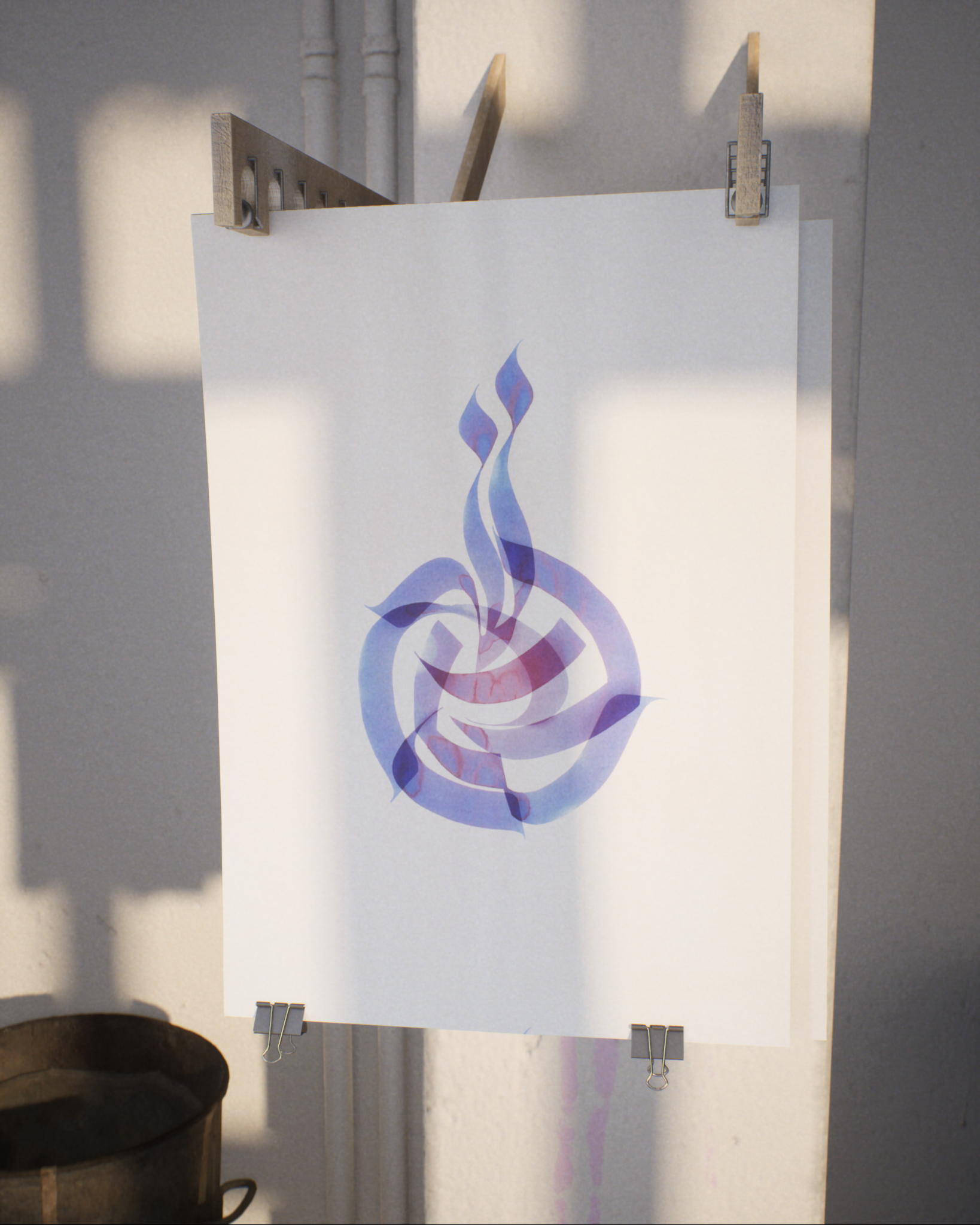
שכינה
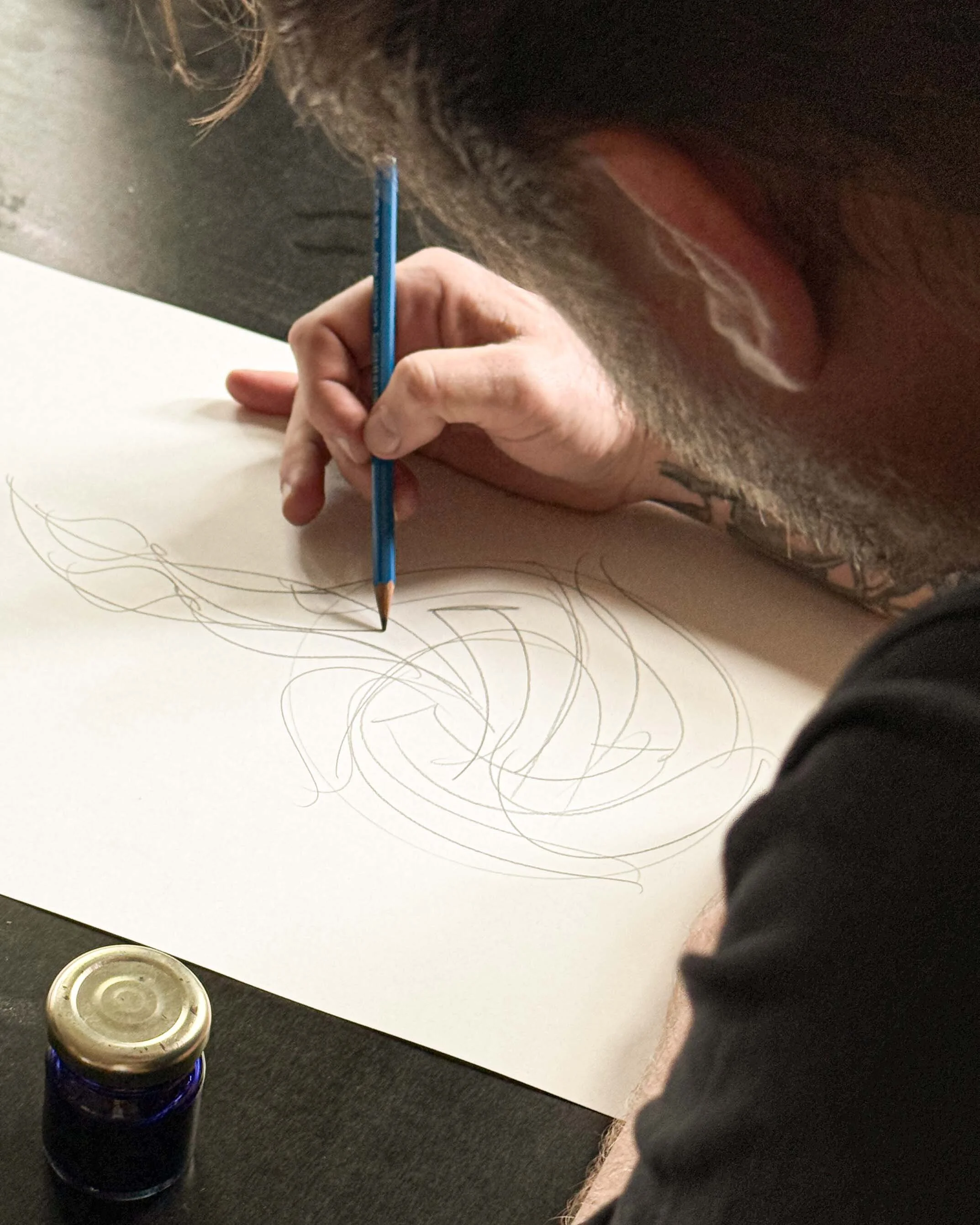
Gabriel approached the piece through two ideas that emerged from her story: flow and cyclicality. Shekhinah as a current of divine energy moving through the world, and as a feminine presence connected to cycles of birth, death, return, and repair.
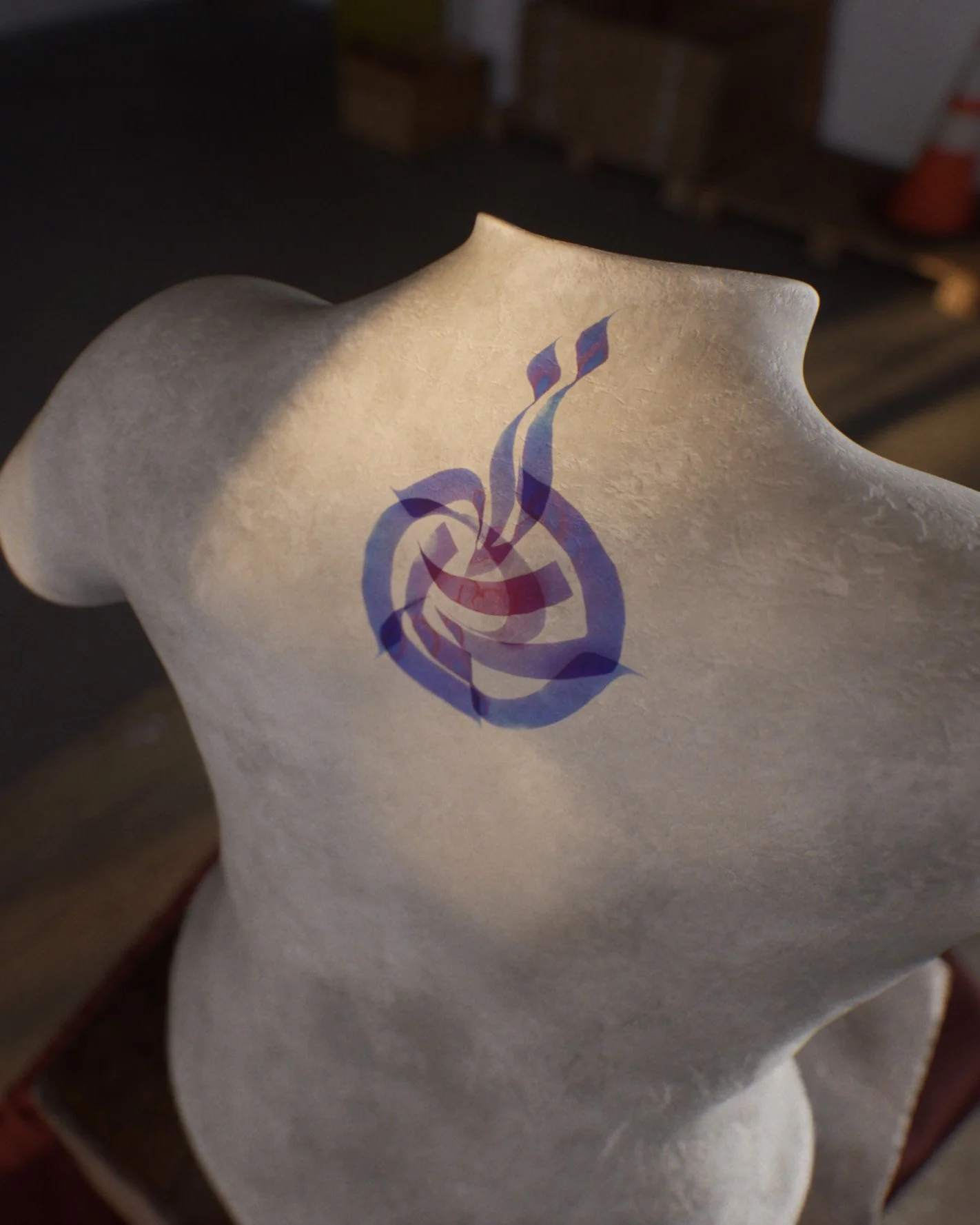
He envisioned the tattoo as a circular form with an inner spiral movement, created in layered blue textures reminiscent of water and ink.
For Annie, this piece became a way to carry the divine feminine on her body. A reminder that beneath separation there is connection, and beneath all things there is love.