
essays and articlesWhy we give Ma’aser
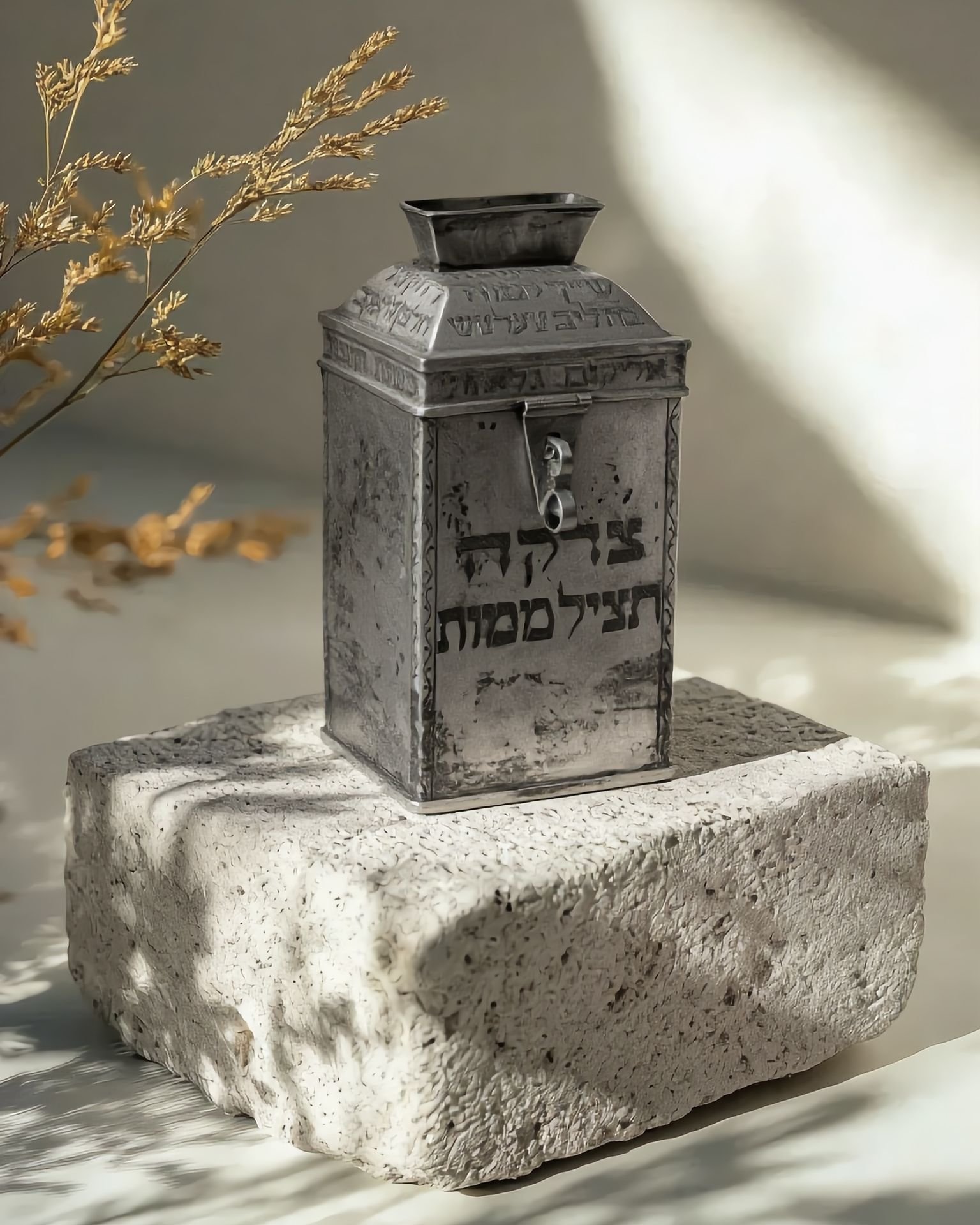
Growing up in Jerusalem, I remember seeing matan ba’seter boxes everywhere. Quiet little charity boxes in shops, synagogues, schools, and private homes. Nobody made a show of putting money in them. Nobody applauded. They were simply there, a reminder that giving is meant to be woven into ordinary life.
That is still how I understand ma’aser, the Jewish practice of setting aside part of one’s income for tzedakah. It is often described as giving ten percent, but the halachic reality is more nuanced, especially in a country like Germany, where businesses already pay significant taxes that support healthcare, education, welfare, and public infrastructure.
For that reason, we do give ma’aser, but not as a simple ten percent. We try to calculate it responsibly, based on net income after taxes and legitimate business expenses, while remaining faithful to both the halachic discussion and the spirit behind it.
We do not see this as something exceptional. It is simply part of the responsibility that comes with making a living. Judaism teaches that success is never entirely ours alone. Whatever we have is entrusted to us, and part of that trust is making sure others benefit from it as well.
Like many things in Jewish life, ma’aser is not only about a number. It is about cultivating a habit of gratitude, responsibility, and quiet justice.
If you own a business and have been thinking about giving ma’aser yourself, feel free to reach out. We’d be happy to share the approach that has worked for us.