
כָּל הַנִּכְנָסִין לְהַר הַבַּיִת נִכְנָסִין דֶּרֶךְ יָמִין וּמַקִּיפִין וְיוֹצְאִין דֶּרֶךְ שְׂמֹאל
חוּץ מִמִּי שֶׁאֵרְעוֹ דָבָר שֶׁהוּא מַקִּיף לִשְׂמֹאל
All who entered the Temple Mount entered by the right and went round to the right and went out by the left, save for one to whom something had happened, who entered and went round to the left.
Tattooed by: Valeriia Puhach at sashatattooinggallery, Los Angeles, California, USA
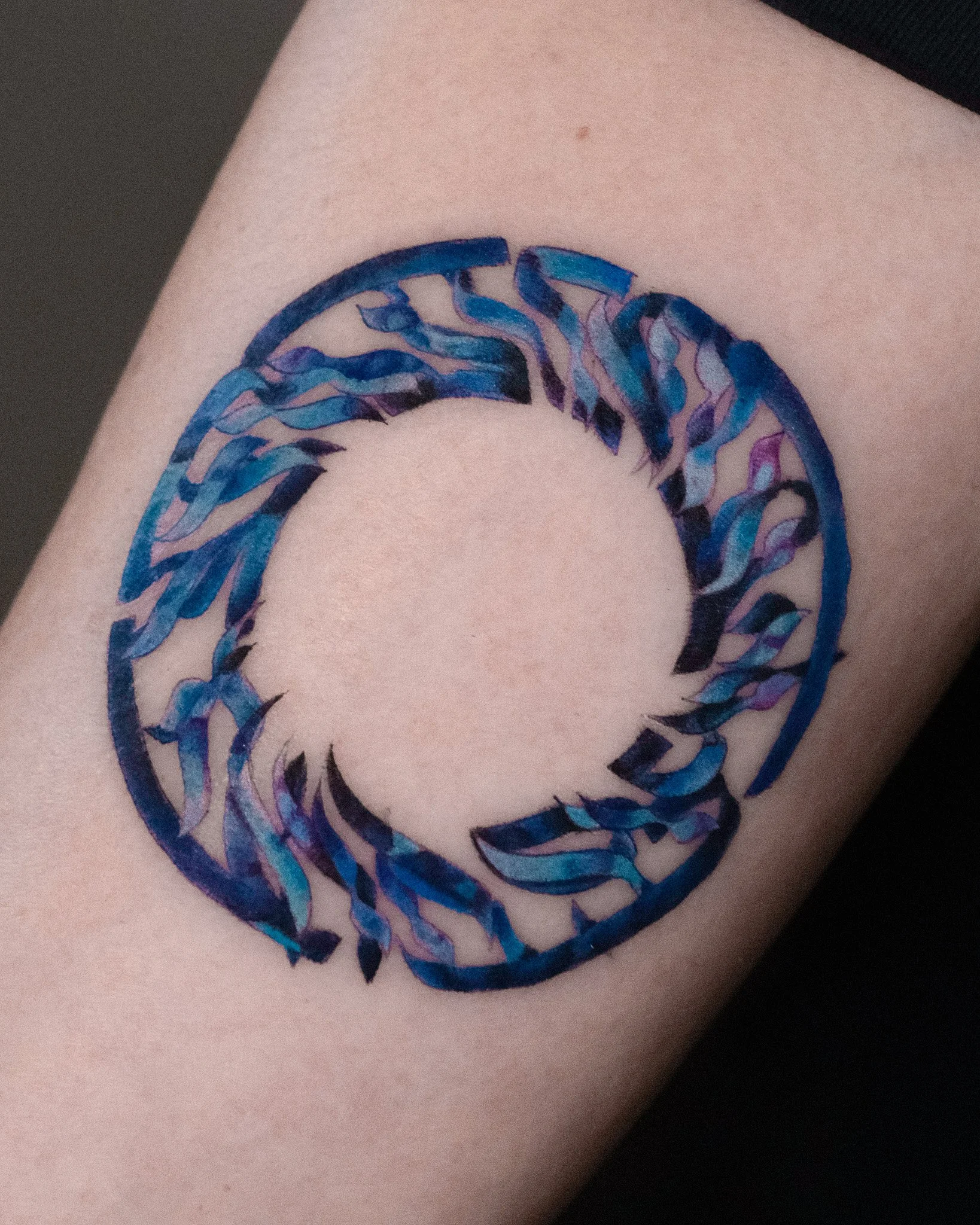
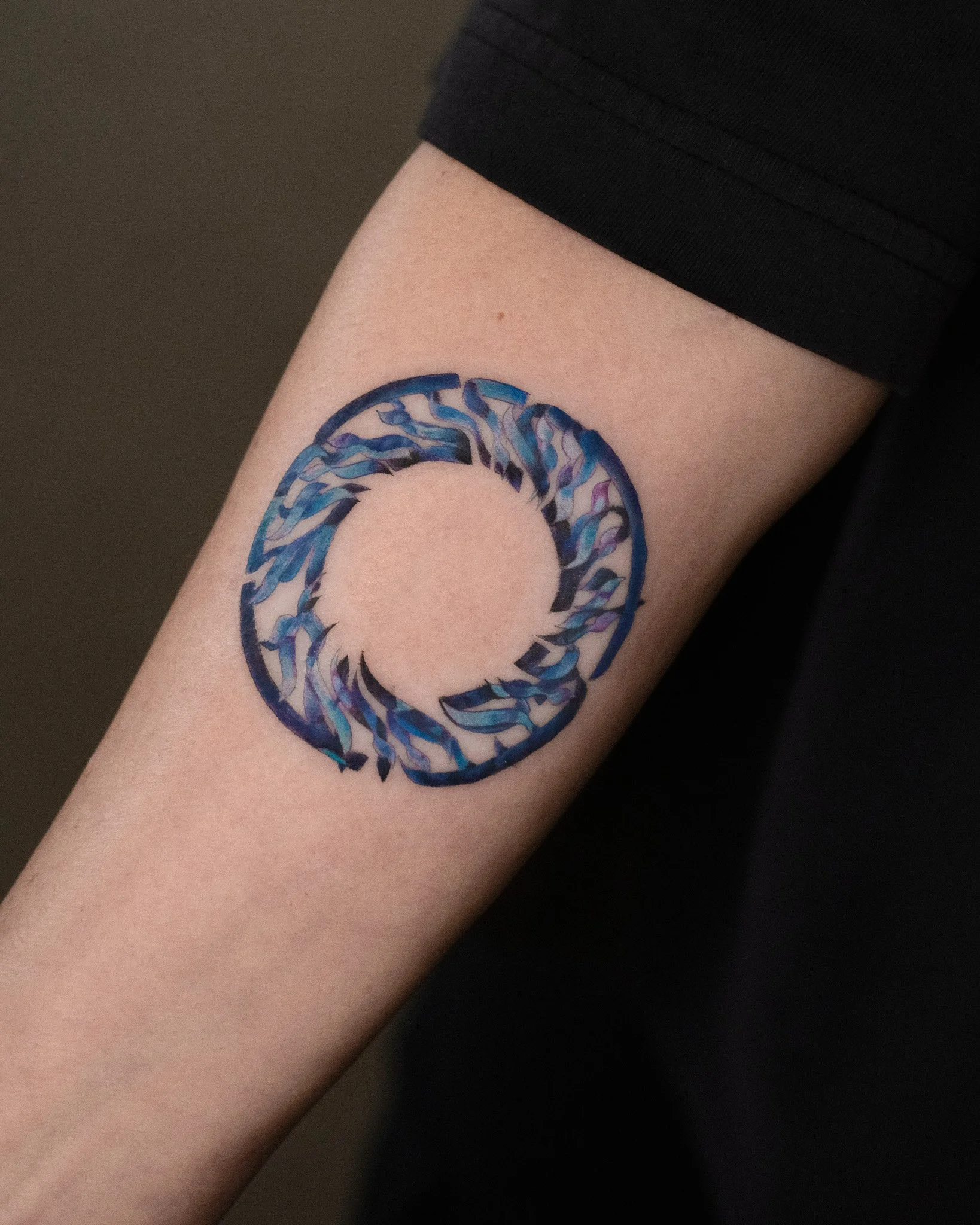
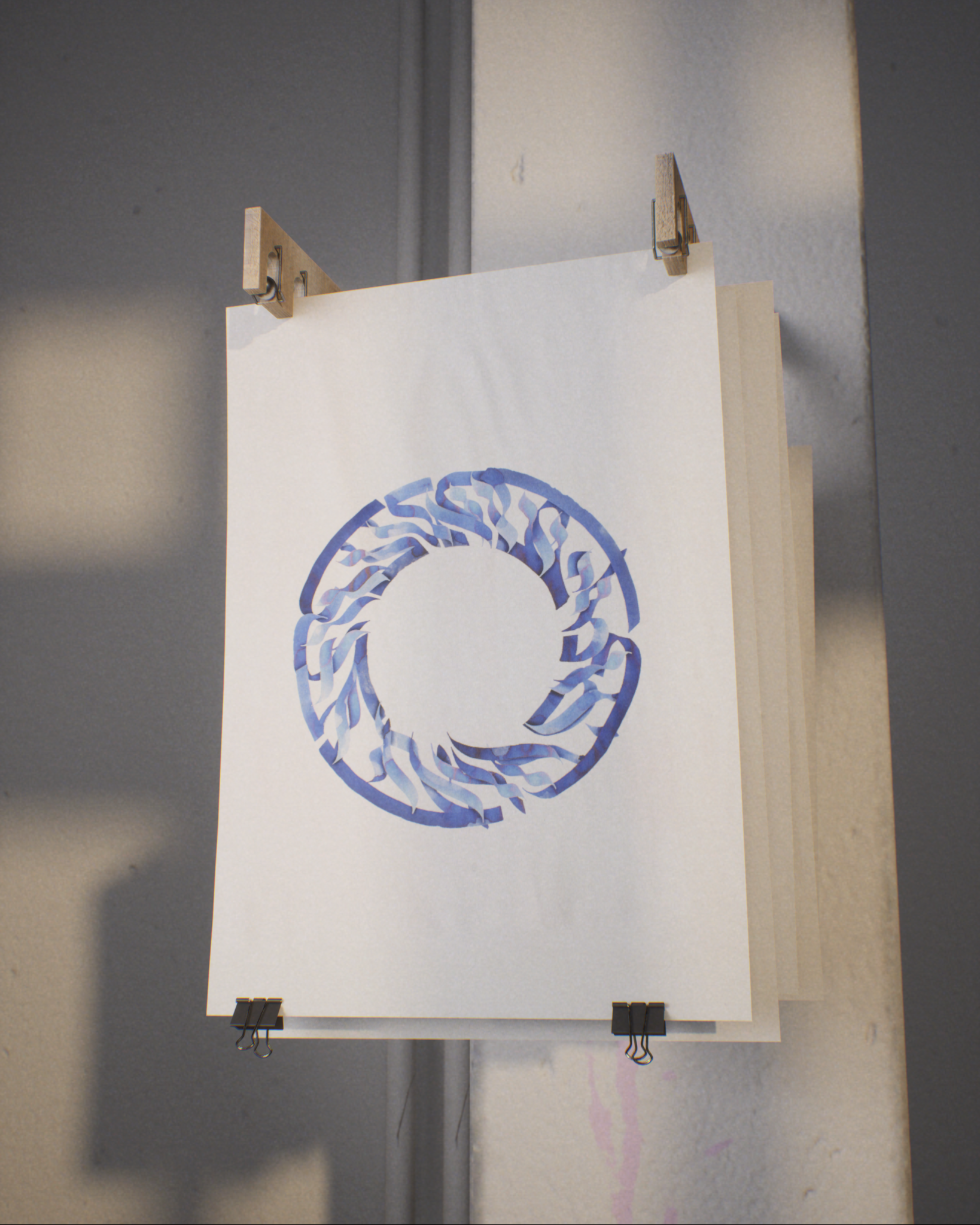
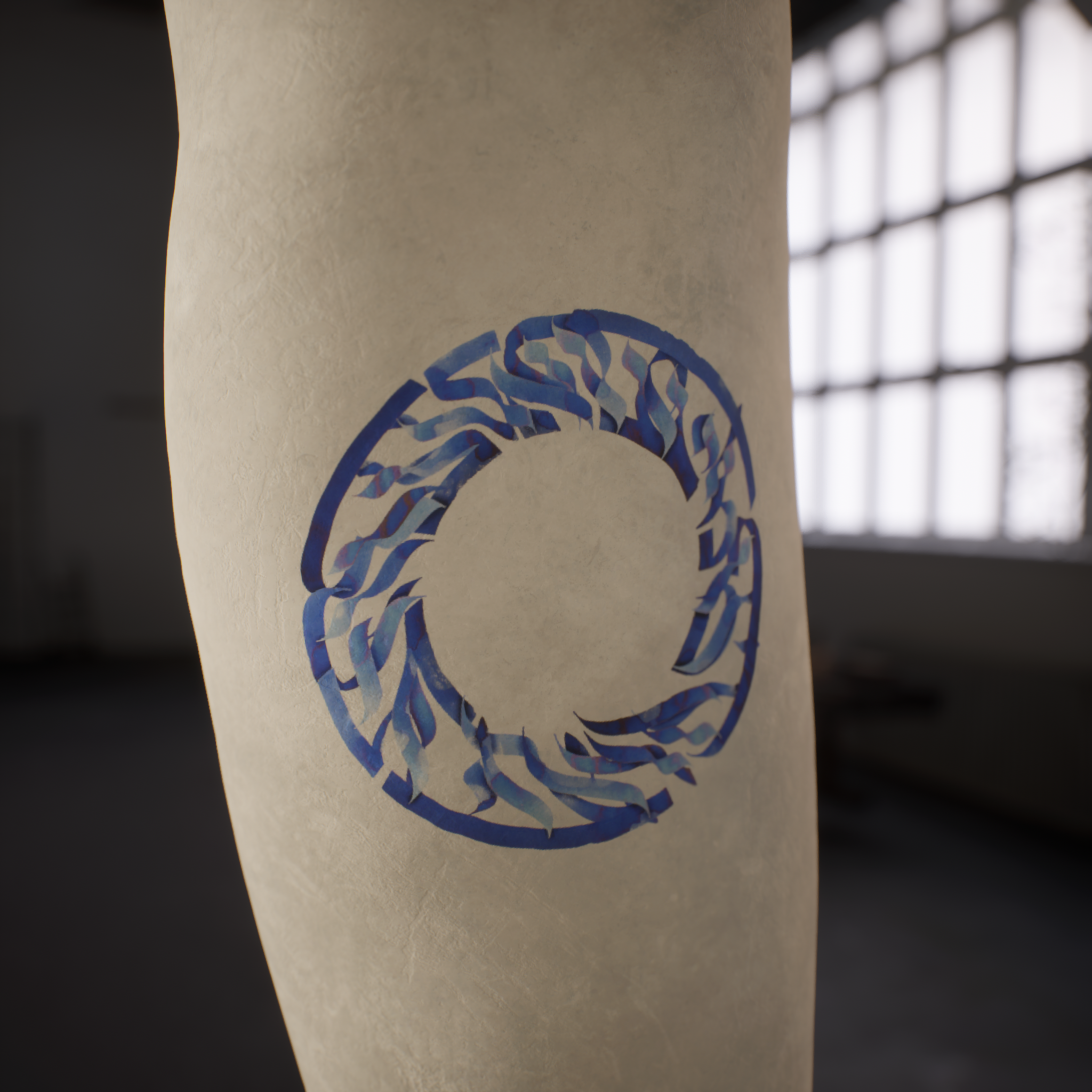
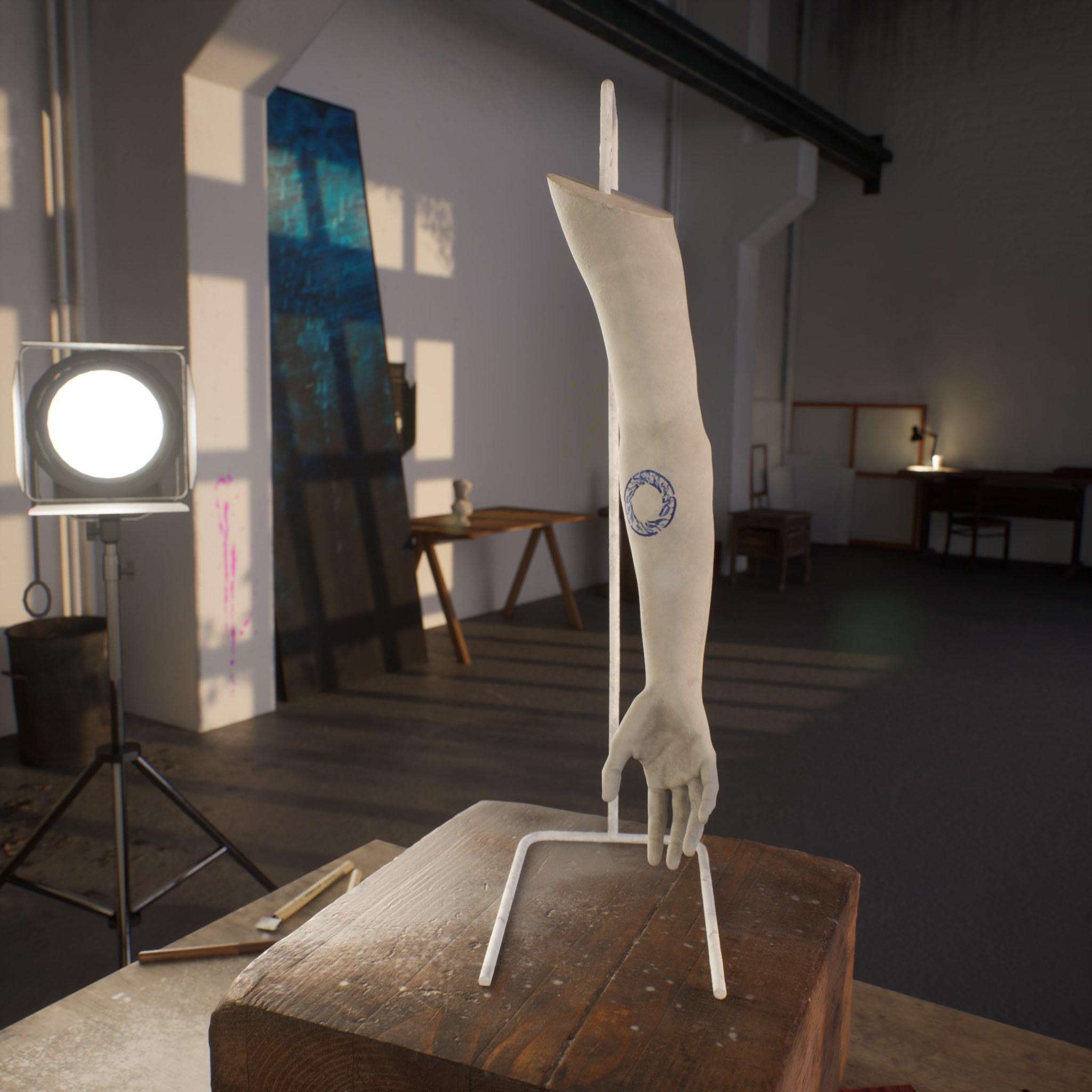
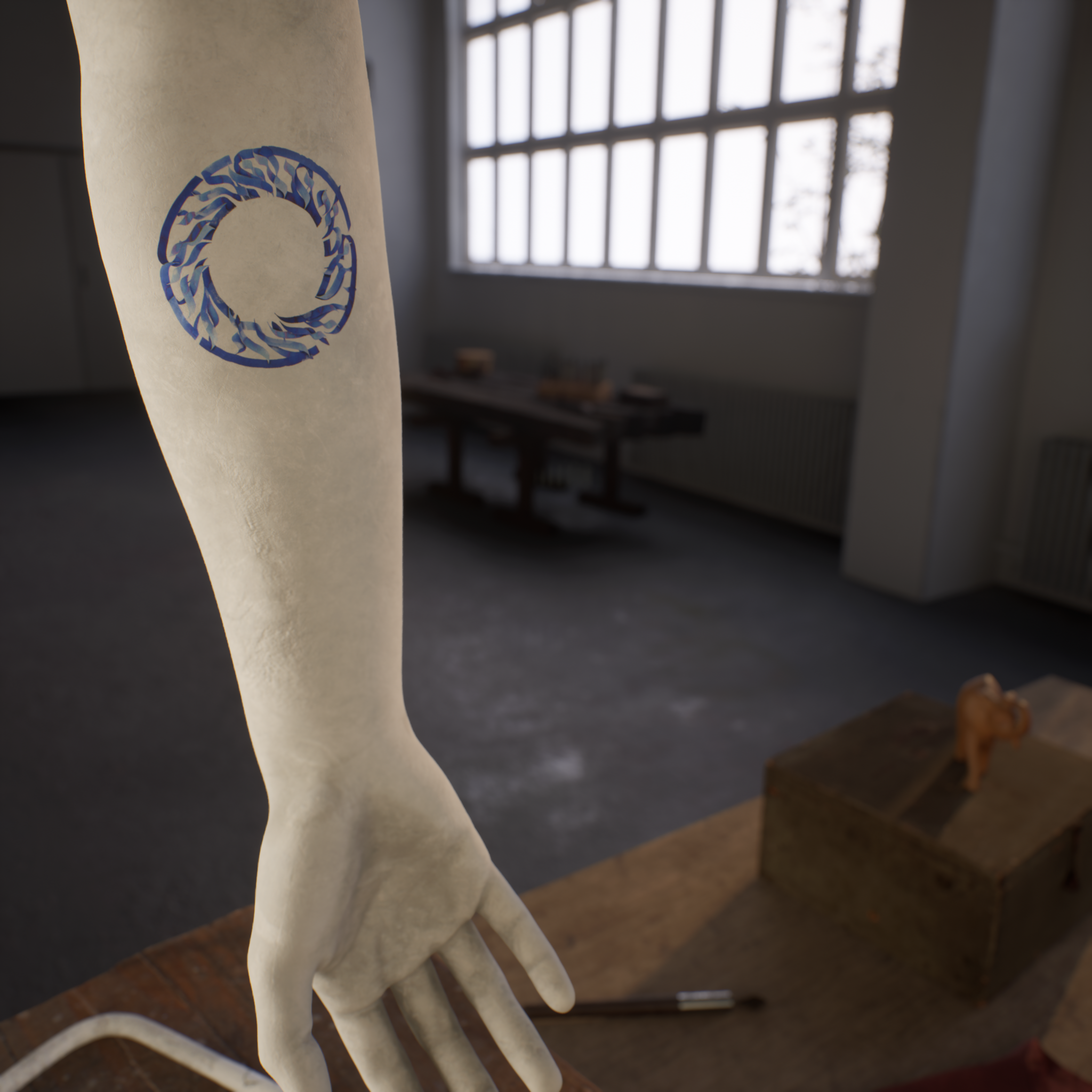
Laura from Portland, Oregon, came back to us with a vision rooted in memory, ritual, and the work of healing. Years ago, she had a piece designed by Gabriel that carried the names of her children. This time, she reached out for something older and more complex. A verse from Mishna Midot 2:2 that she encountered while studying Kabbalah over the summer. The text lingered. It moved her in ways she couldn’t quite explain, and when she read it again, she found herself overwhelmed. She had even dreamt about it.
The verse describes the ancient ritual of walking the Temple Mount. All who entered would circle in one direction, except for those to whom something had happened. They would walk the other way. It was a way to be seen, not for spectacle, but for care. For Laura, a social worker and someone who had lived through a time of personal pain and communal rejection, this image of being gently recognized by a community felt profound. It wasn’t about being different. It was about being held in the midst of that difference.
כָּל הַנִּכְנָסִין לְהַר הַבַּיִת נִכְנָסִין דֶּרֶךְ יָמִין וּמַקִּיפִין וְיוֹצְאִין דֶּרֶךְ שְׂמֹאל
חוּץ מִמִּי שֶׁאֵרְעוֹ דָבָר שֶׁהוּא מַקִּיף לִשְׂמֹאל
All who entered the Temple Mount entered by the right and went round to the right and went out by the left, save for one to whom something had happened, who entered and went round to the left.
Gabriel imagined her design as two concentric circles, one flowing clockwise, one counterclockwise. The inner circle represents those carrying pain, those to whom something has happened. A fragment of that line breaks outward, a gesture of self-recognition. The boundary between circles is softened, suggesting that otherness is not exile. It is part of the whole.
This piece holds Laura’s story with care. It marks her journey of being seen, of offering that vision to others, and of reclaiming her place as whole, imperfect, and worthy within the circle.