
The HistoryHebrew Tattoos
The tradition of Hebrew lettering stretches back thousands of years.
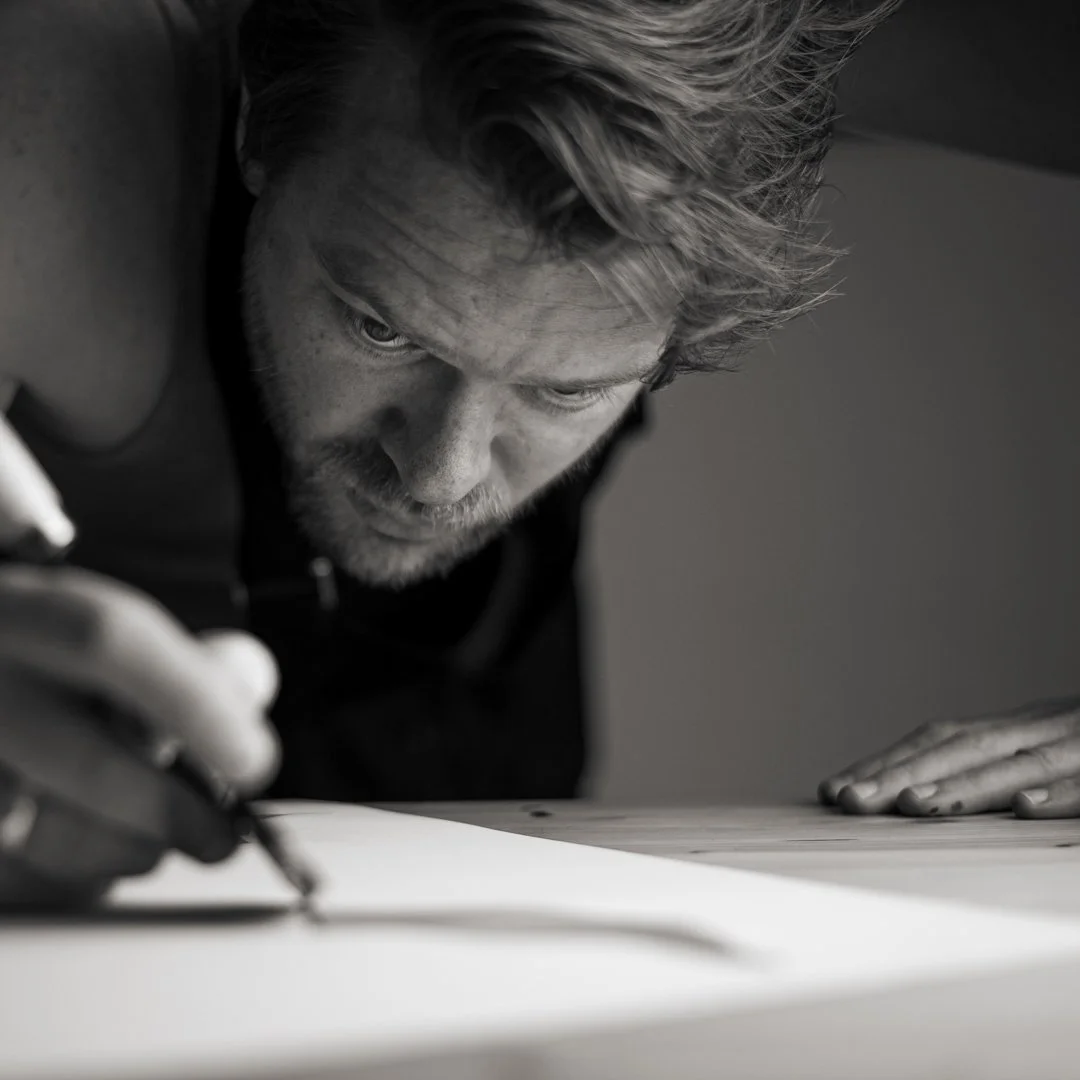
I began drawing letters when I was five years old.
What I didn’t know then, was that the letters were in my blood.
For millennia, Jewish communities have entrusted their stories to letters. Torah scrolls copied by hand, books carried across borders, all of it passed from one generation to the next. While every culture has its sacred symbols, ours has always had a unique relationship with language. We became known as the People of the Book.
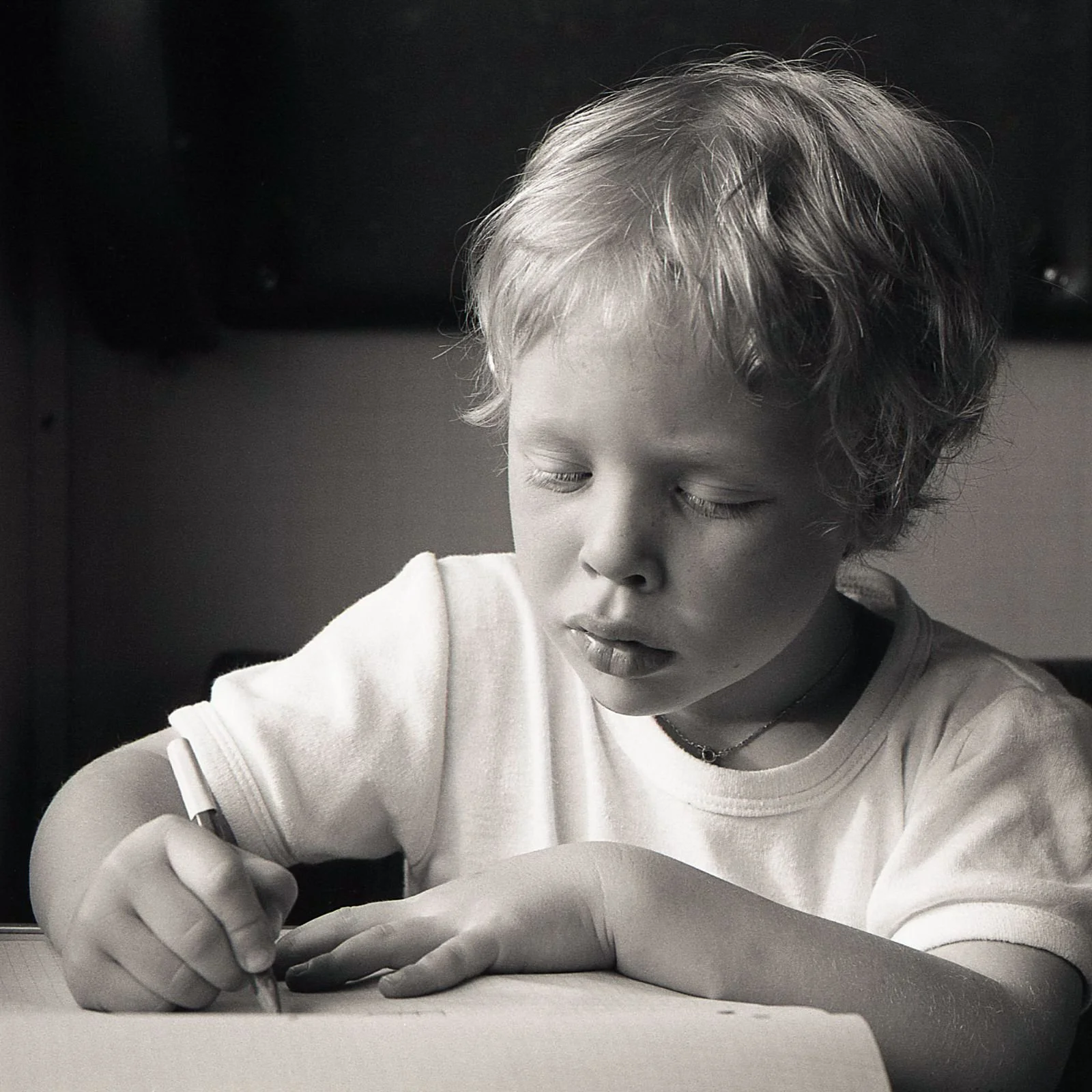
Like many children in my community, I began learning to read and write at the age of three. But while others saw letters as tools for language, I saw something else. What I saw were shapes that contained movement and possibility, something I could play with.
Years later, I would describe letters as “little Lego pieces to do beautiful things with.” That fascination never left me.
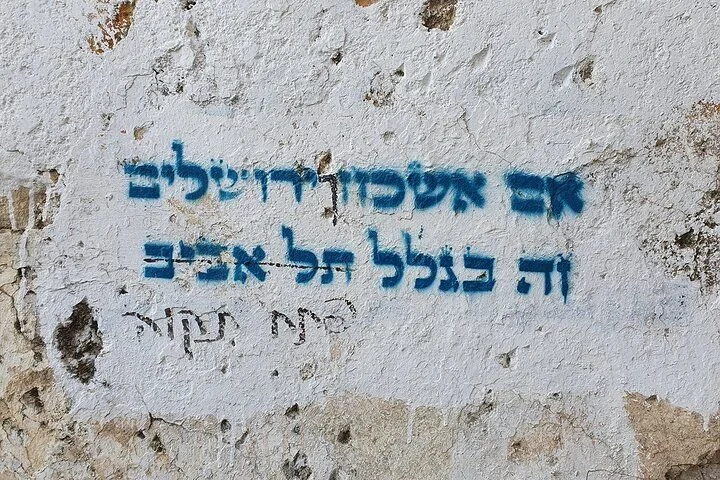
As a child and later a teenager, I filled anything I could find with letters: scraps of paper, pieces of wood, stones, walls, and the streets of Jerusalem [only occasionally being arrested for vandalism]. Long before I knew this would become my art and my calling, letters had already become my way of expressing myself.
At eighteen, I met a man named Igor, an overweight Russian Jew who would sometimes cry in his sleep. We shared a prison cell for a few months, and with little else to do, we talked for hours. Somewhere in those conversations, Igor became convinced that my future lay in bringing Hebrew calligraphy to skin. More importantly, he managed to convince me too.
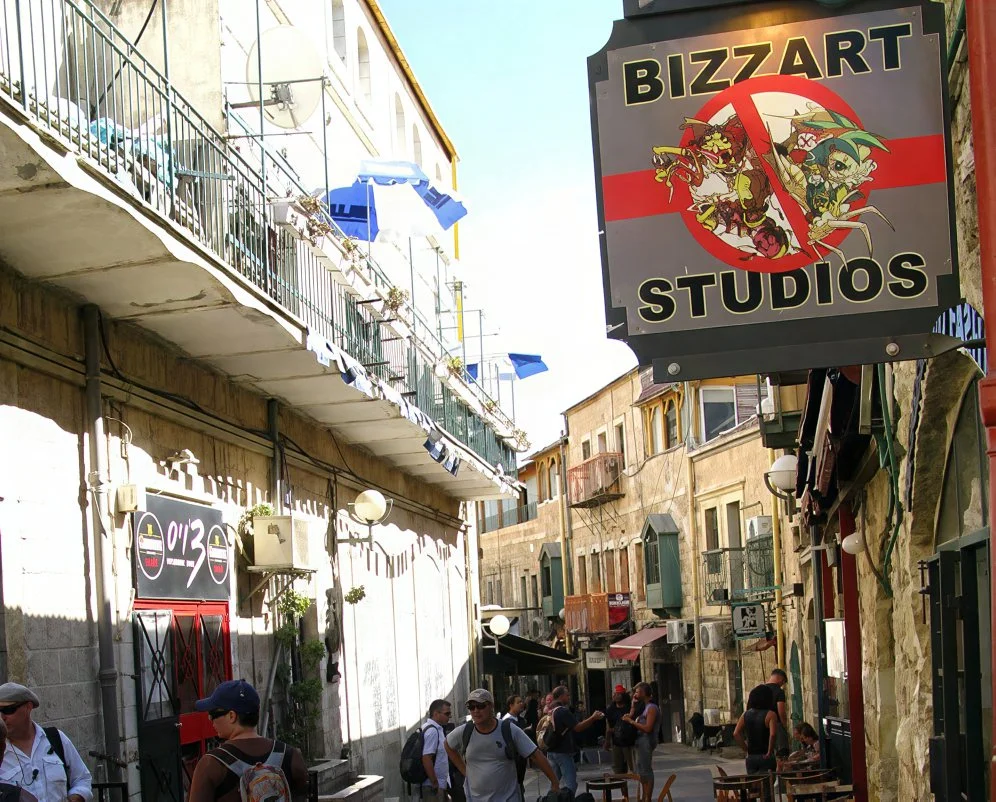
So when I was released at the age of 19, the first thing I did was knock on the door of Bizzart, one of the few tattoo studio in Israel, back in 2001. A guy named Poko welcomed me in, but it took only two weeks for me to find out that tattooing wasn’t my thing. Life moved on, but I didn't forget about the idea of skin being a very special canvas.
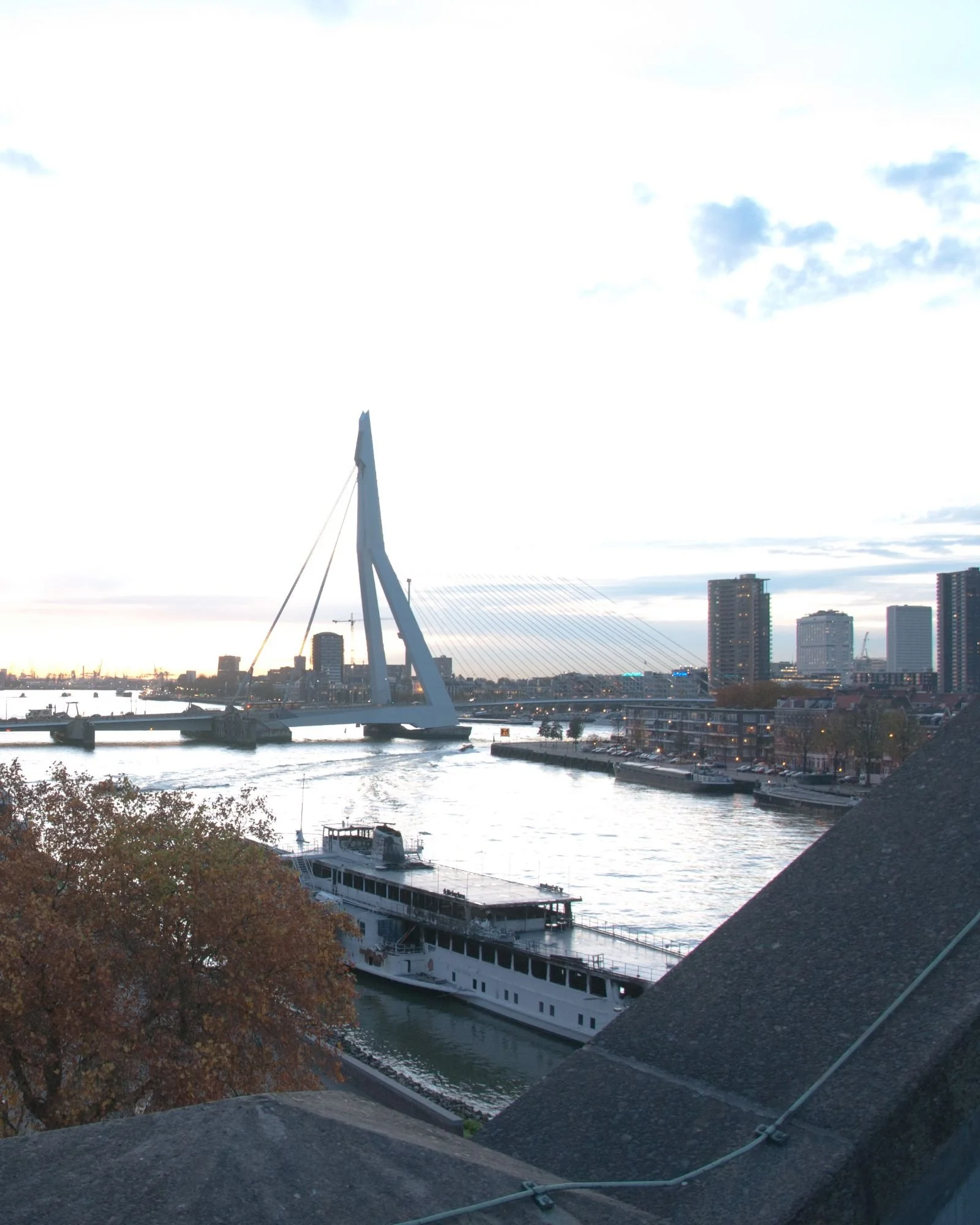
So five years later, while living in Rotterdam, I created a website called Hebrew Tattoos. It was not a business plan or a career move. It was simply an art project born from my lifelong obsession with letters, and maybe an attempt to impress a girl I worked with.
I don’t think she ever noticed that website [or me, for that matter], but something else entirely unexpected happened: people began writing to me. They asked for artwork, and I would create each piece by hand, place it in an envelope, and mail it across the world.
What arrived with those requests was far more valuable than commissions. People brought me their stories. Stories of loss and love. Of family and faith. Of survival, grief, gratitude, identity, fear, resilience, and hope. Lots and lots of stories. Time and time again, people entrusted me with the most meaningful chapters of their lives.
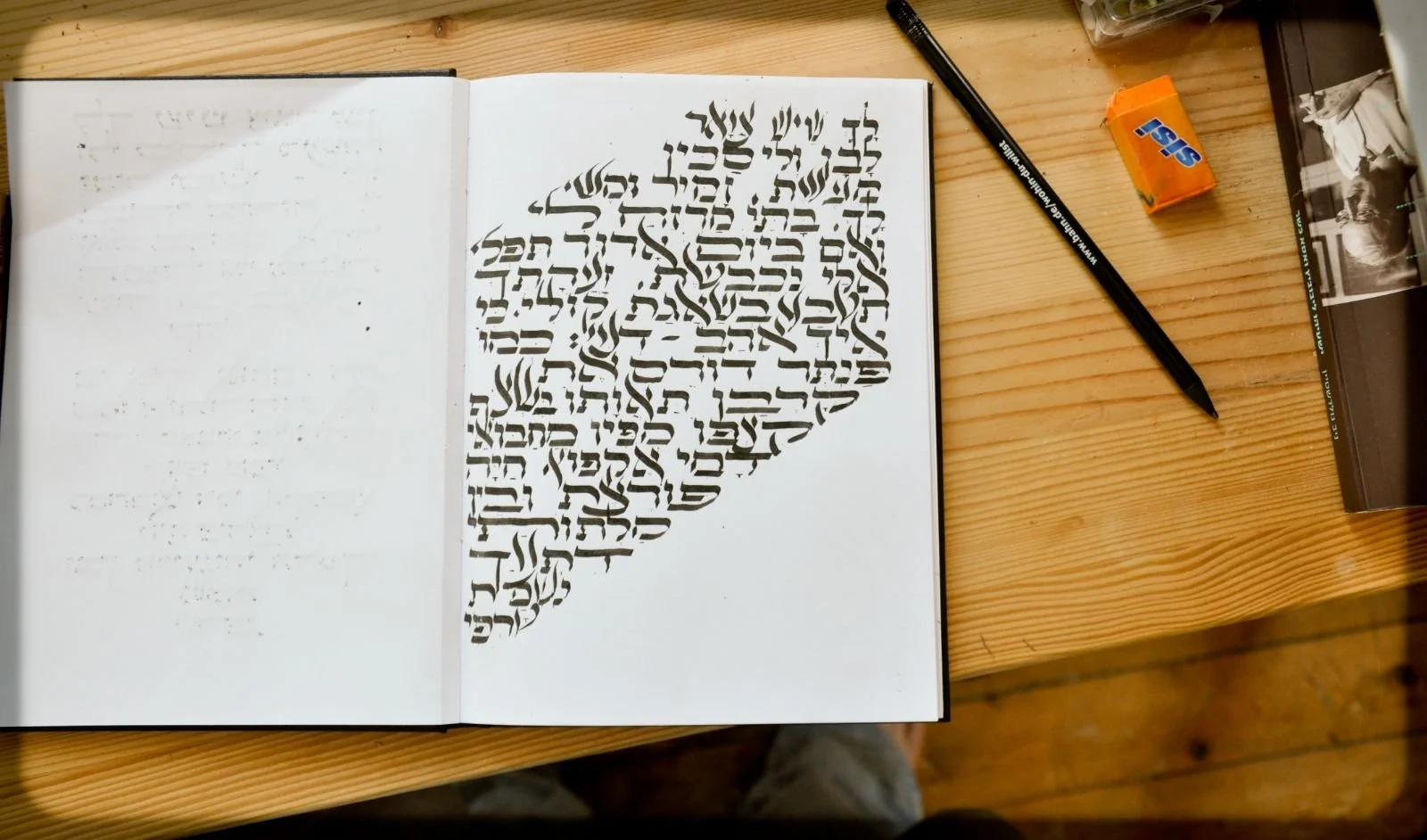
One late afternoon in 2008, sitting on the roof of the squat I lived in, I realised something profound: the stories themselves had become my true inspiration. The artwork was simply a medium emerging from listening.
In that moment, Hebrew Tattoos was truly born.
At thirty, in 2013, I followed my inspiration to Buenos Aires, home to one of the largest Jewish communities in the world. There, I gathered a small team around a simple belief: that every person carries a story worth listening to, and that meaningful art begins with listening well.

Today, that work is carried forward by a small team united by the same philosophy.
Since then, the essence of the work has remained unchanged. Today, I live in Berlin, where my team and I work with a small number of clients at a time. Together, we spend countless hours exploring memories, questions, struggles, beliefs, family histories, and dreams. We study texts, search for symbols, and look for the Hebrew words that can carry a person’s story with honesty and precision.
Out of those conversations emerge Hebrew words, and out of those words emerge artworks that become part of a person’s life story.
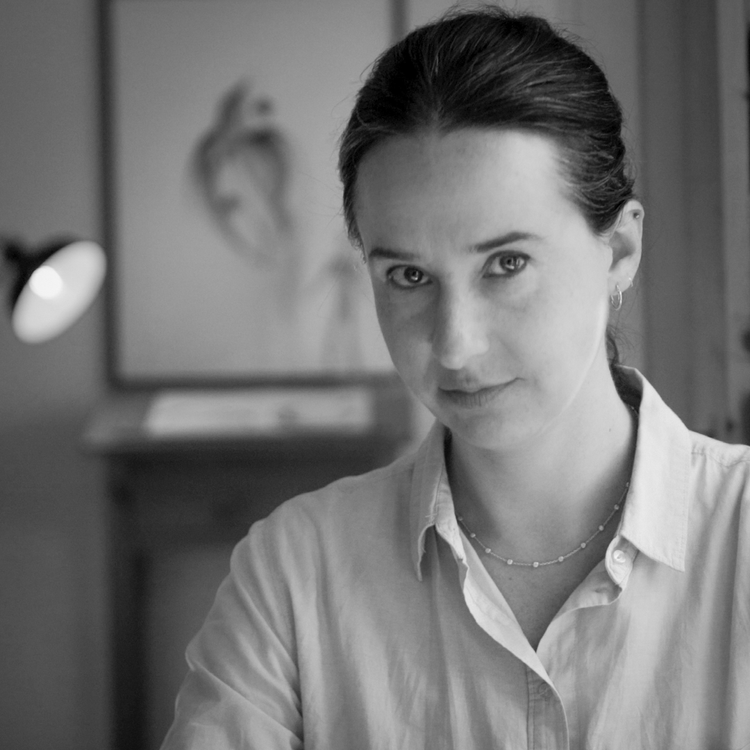
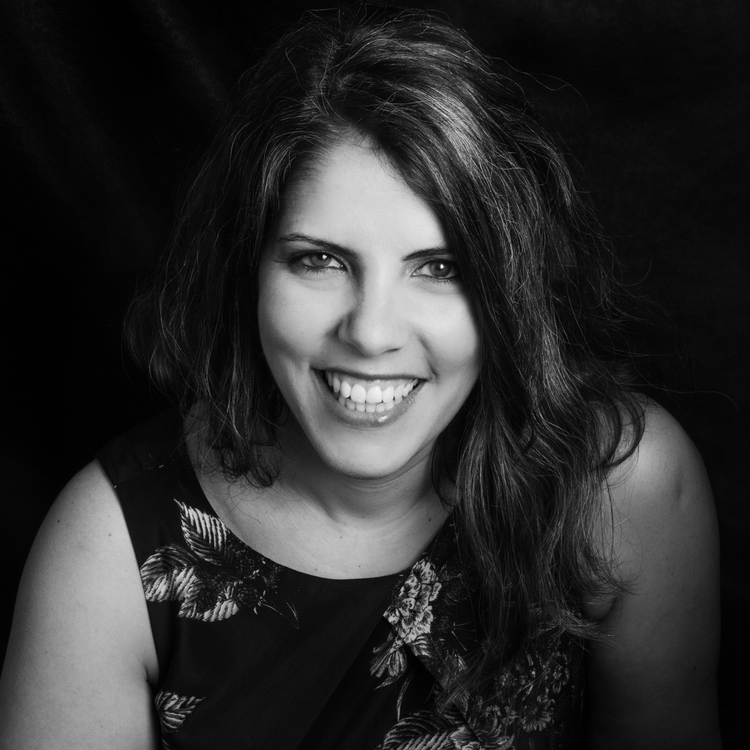

This is the way we continue the same work that began decades ago with a child staring at the shapes of Hebrew letters and imagining what they might become. The letters never stopped being little Lego pieces. The difference is that today they carry stories, memories, and meanings that people choose to take with them for the rest of their lives.