
Just like a tattoo shouldn’t simply be an embellishment, placement is about more than aesthetics.
The body isn’t a neutral surface. Every placement carries a meaning before the needle touches skin.
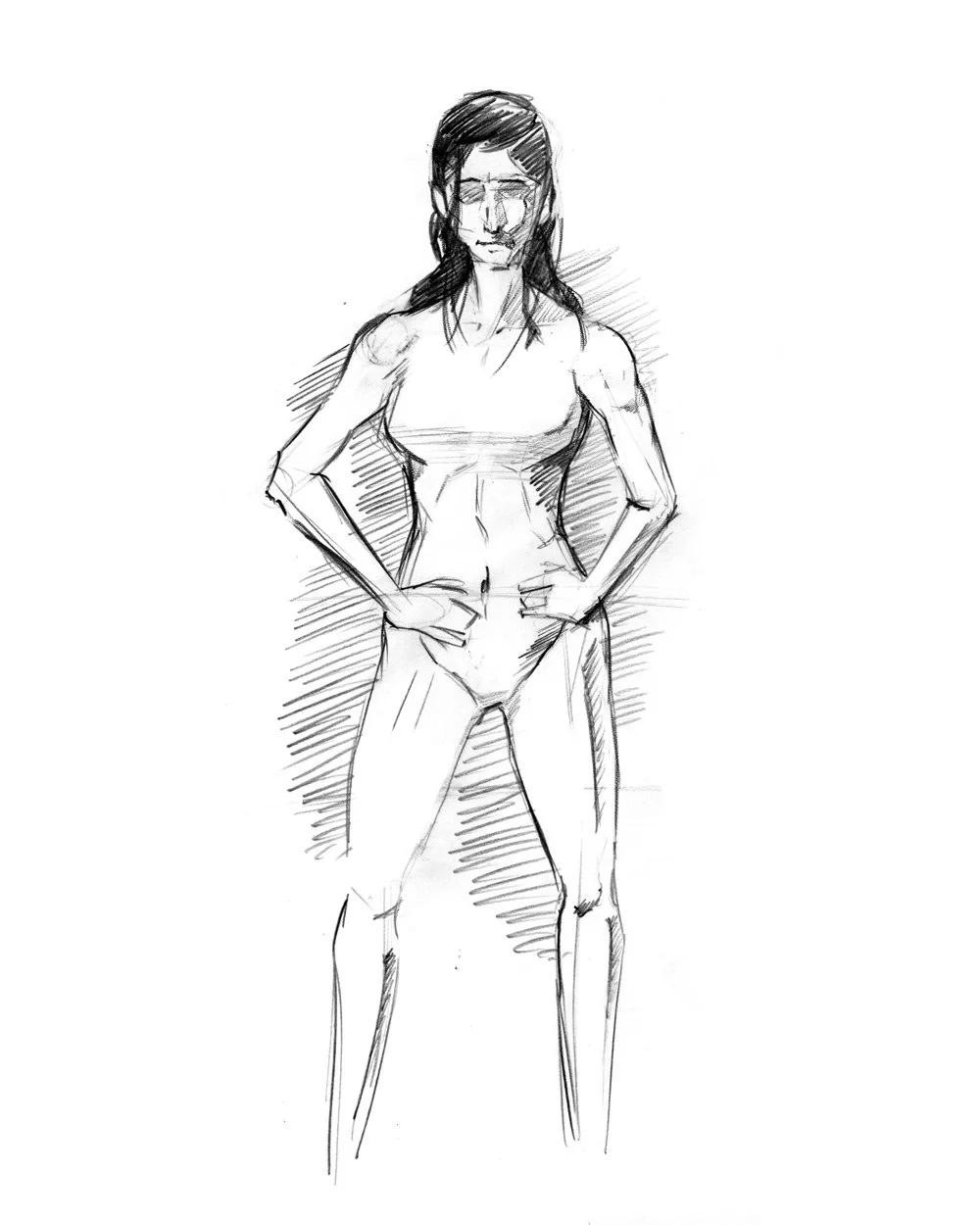
When I begin a project, the first question isn’t what to draw. It’s where does this belong on the body, and why. Each placement has its own character, its own internal logic, its own place within the larger flow of the body as a whole.
PlacementWhere it belongs on the body
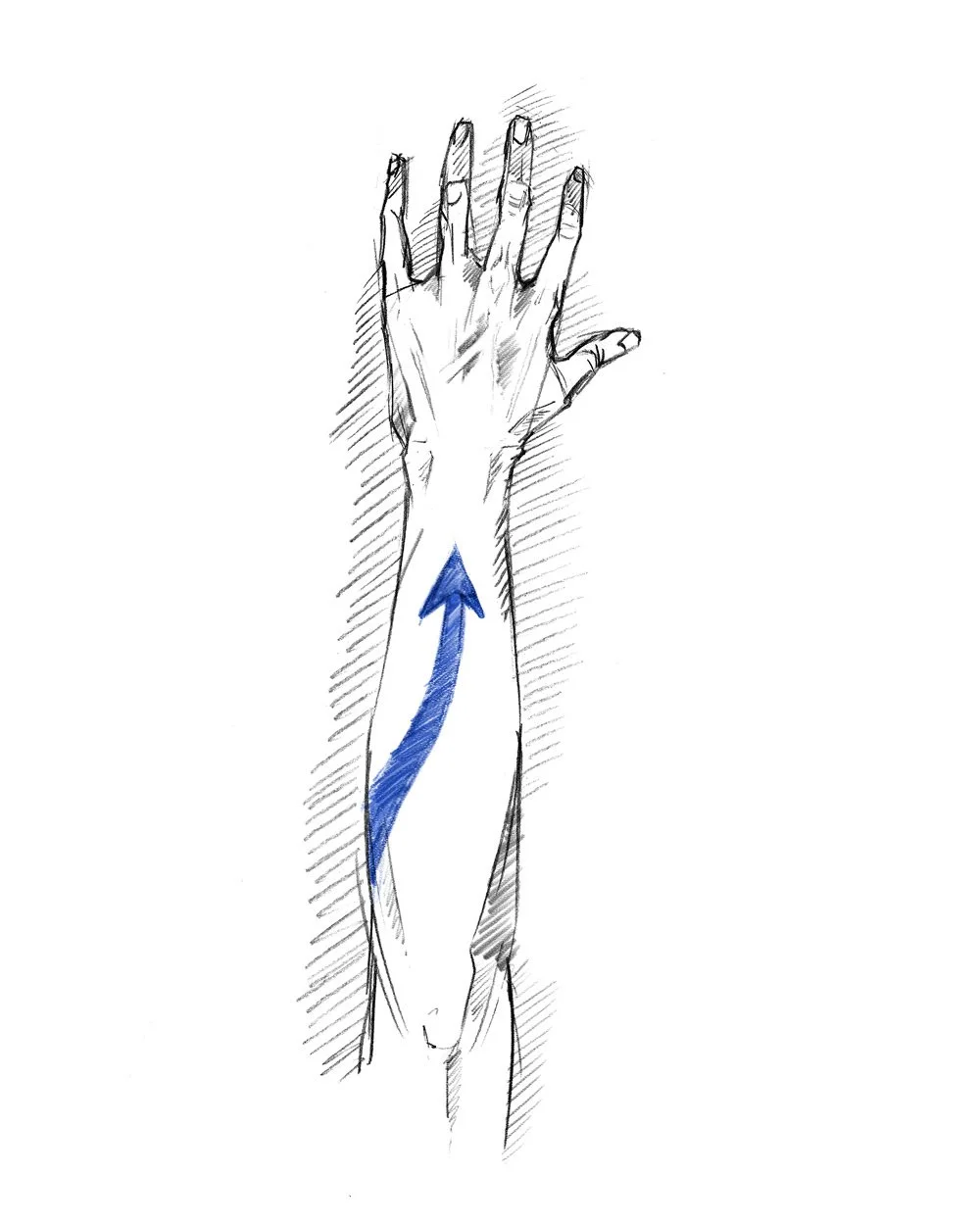
The forearm
Where we meet the world. The zone of action, of outward expression, of things manifested.
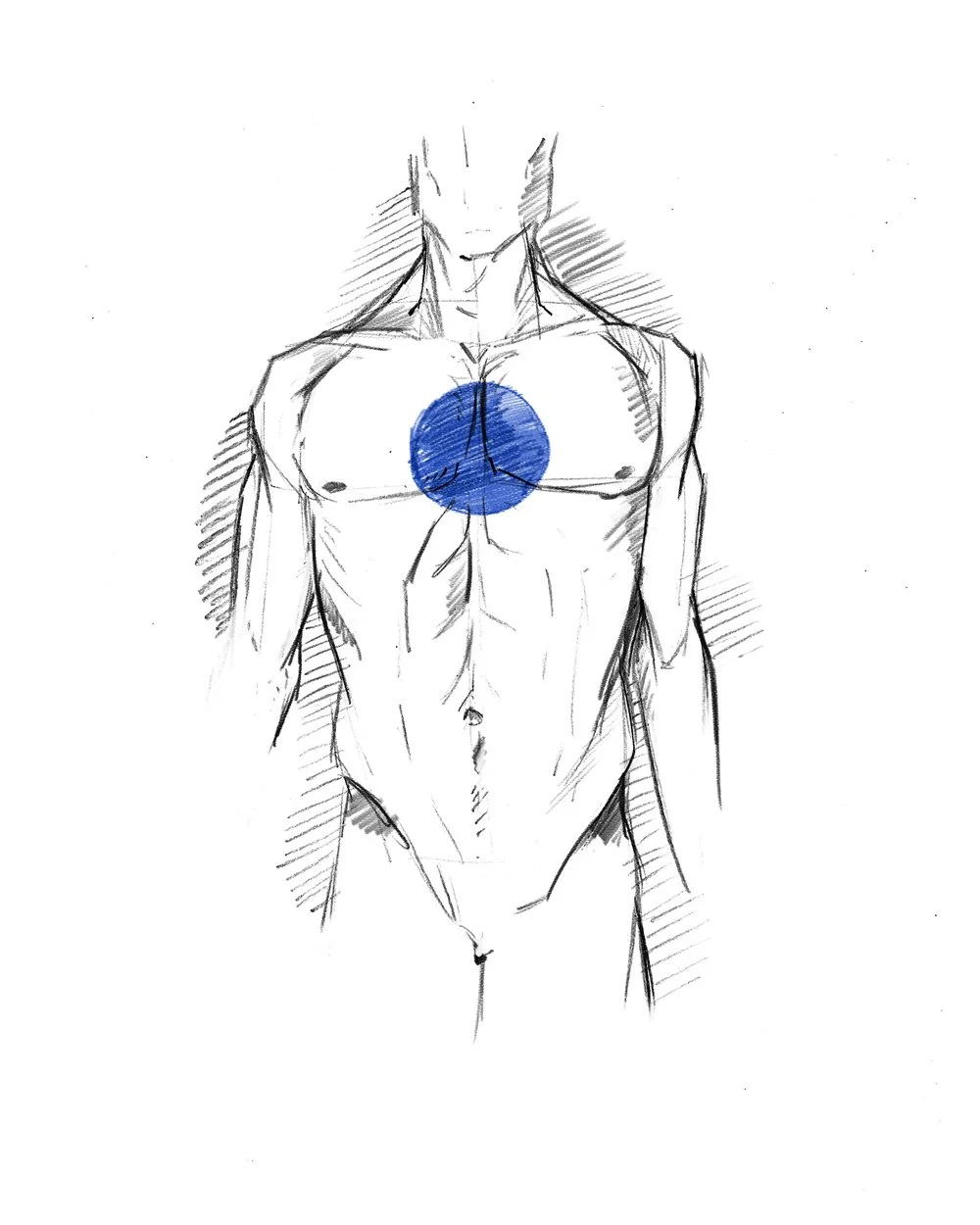
The chest
The core, where identity lives, where we carry what we are rather than what we do.
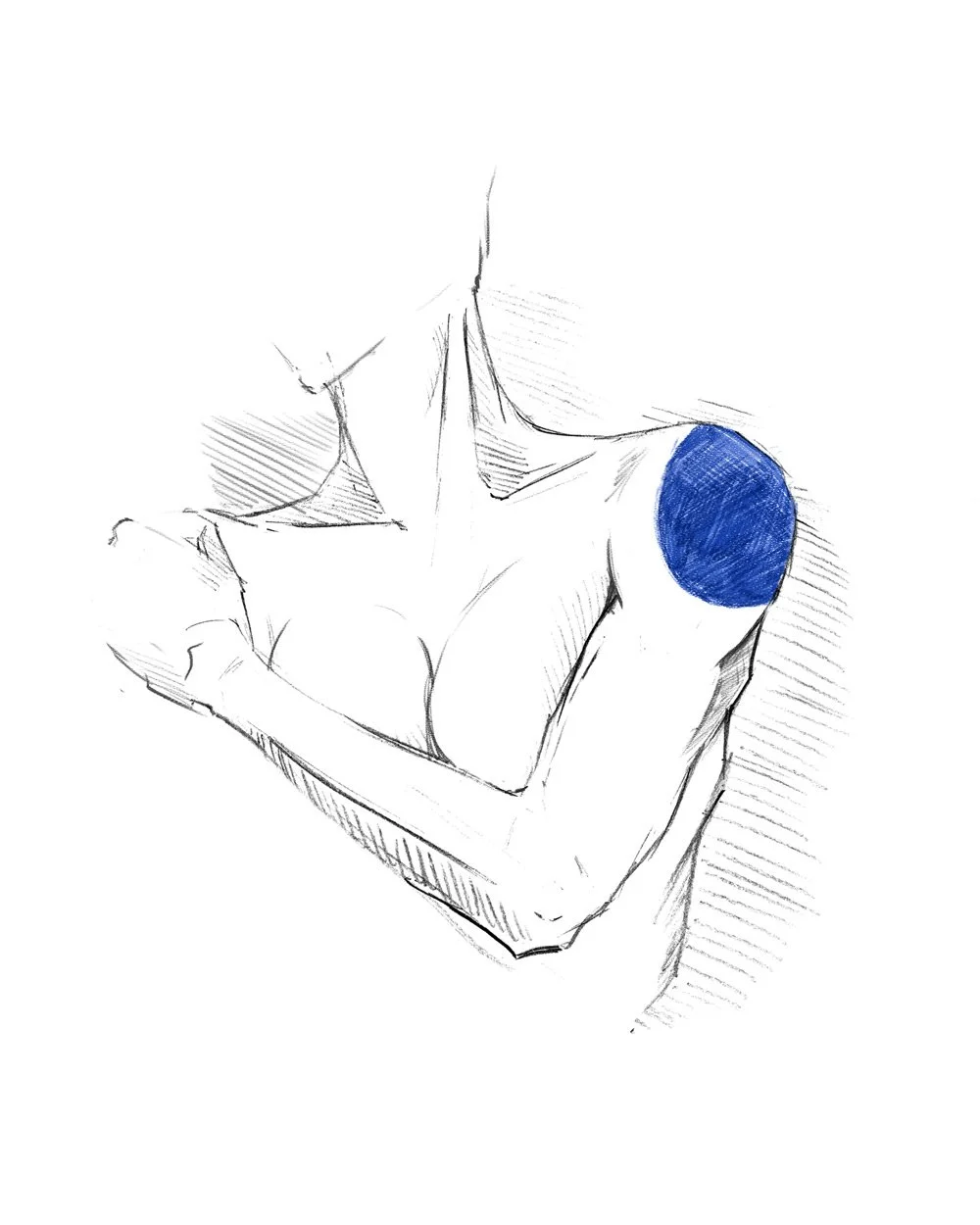
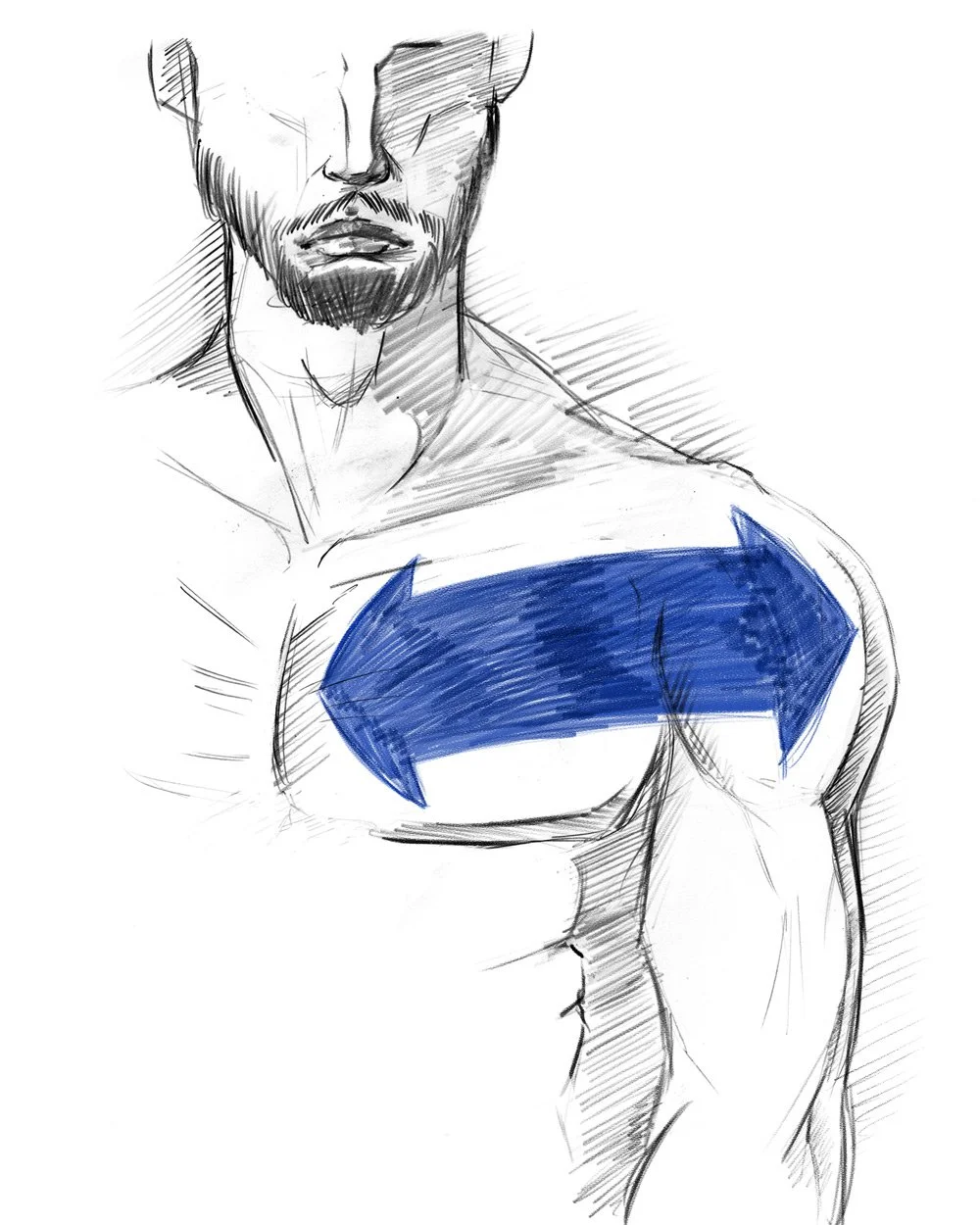
The shoulder
The bridge, the place where inward and outward negotiate.
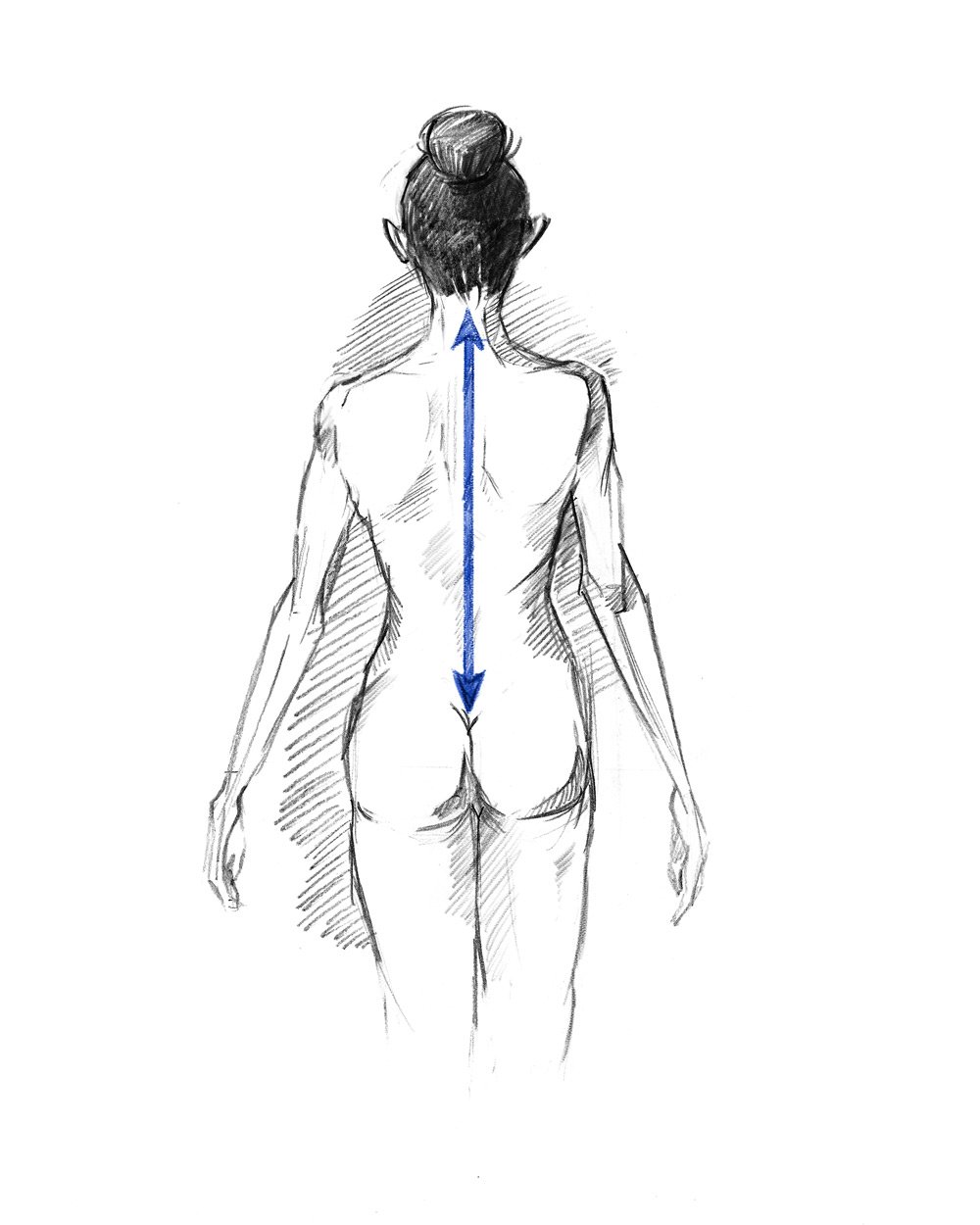
The back
Lineage and the vertical axis: the line between earth and sky, between what came before and what we reach toward.
So before any sketch, I ask questions.
Is this project about action or essence?
Does the energy move outward or inward?
Is it about where someone comes from or where they are going?
Is there a vertical pull or a horizontal one?
The answers point to a placement. And the placement becomes the first constraint that shapes everything after it.
But most projects aren’t singular. They carry more than one energy, more than one intention. And when that’s the case, a single placement isn’t enough, and naming a region isn’t precise enough either.
The back is not one thing. The upper back speaks differently than the lower back. The center of the chest holds differently than its sides. So part of the work is learning to read these zones within zones, to understand not just which canvas but which part of that canvas, and why. The more complex the project, the more carefully the placements need to be mapped before anything else begins.
The art doesn’t get applied to the body.
It grows from the logic of where it lives.